
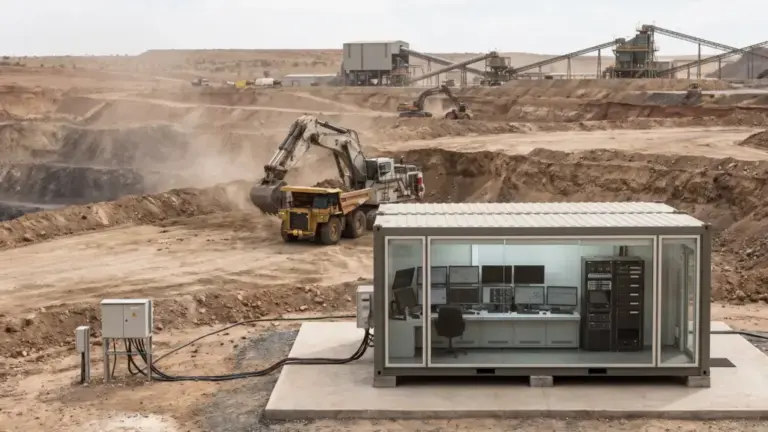
Mining operations generate large volumes of information across equipment, production systems, geological models and environmental monitoring. Historically, much of this information has remained distributed across separate systems, making it difficult to create a continuously updated view of what is happening across the operation. Digital twins are changing this by linking physical assets and processes with digital models that can be updated using real-time operational data.
This is making mining digital twins increasingly relevant to how mines monitor assets and manage changing conditions. Instead of functioning only as static representations, advanced digital twins can combine sensor data, equipment information and operational inputs to reflect the changing state of a physical mine. This creates a digital environment that can be used to observe current conditions and support decisions based on the latest available information.
Digital Twins are Bringing Mine Operations Into Real Time
Real-time monitoring is one of the core capabilities identified in recent research on mining digital twins. Sensors and connected equipment can continuously provide information about operating conditions, equipment performance and other physical variables. That information can then be incorporated into the digital model, creating a closer relationship between what is happening in the mine and what is represented digitally.
This can improve operational visibility across areas where conditions change frequently. Equipment status, production activity and environmental conditions can all be monitored within a continuously updated digital environment. Rather than relying entirely on periodic reports or isolated measurements, operational teams can have a more current view of the state of an asset or process.
The technology also creates a basis for moving beyond observation. When real-time information is combined with analytical models, a digital twin can help identify unusual conditions and potential anomalies. This can support earlier investigation of equipment or operational issues before they develop into more significant disruptions.
Mining digital twins are therefore becoming more than visual models of mine assets. Their value increasingly comes from the connection between physical operations, continuous data collection and analytical interpretation. That connection can give mining teams a more detailed understanding of how assets and processes are behaving at a particular point in time.
From Digital Representation to Operational Intelligence
The development is also broadening the potential applications of digital twins across mining. Research identifies uses ranging from equipment monitoring and predictive maintenance to production optimisation, process simulation and environmental management. These applications share a common requirement: the digital model must remain connected to the physical operation through reliable and timely data.
This creates an important distinction between having a digital model and having a functioning digital twin. A static model can represent an asset or mine layout, but a digital twin is expected to evolve as the corresponding physical system changes. Mining digital twins consequently depend on data integration as much as modelling capability.
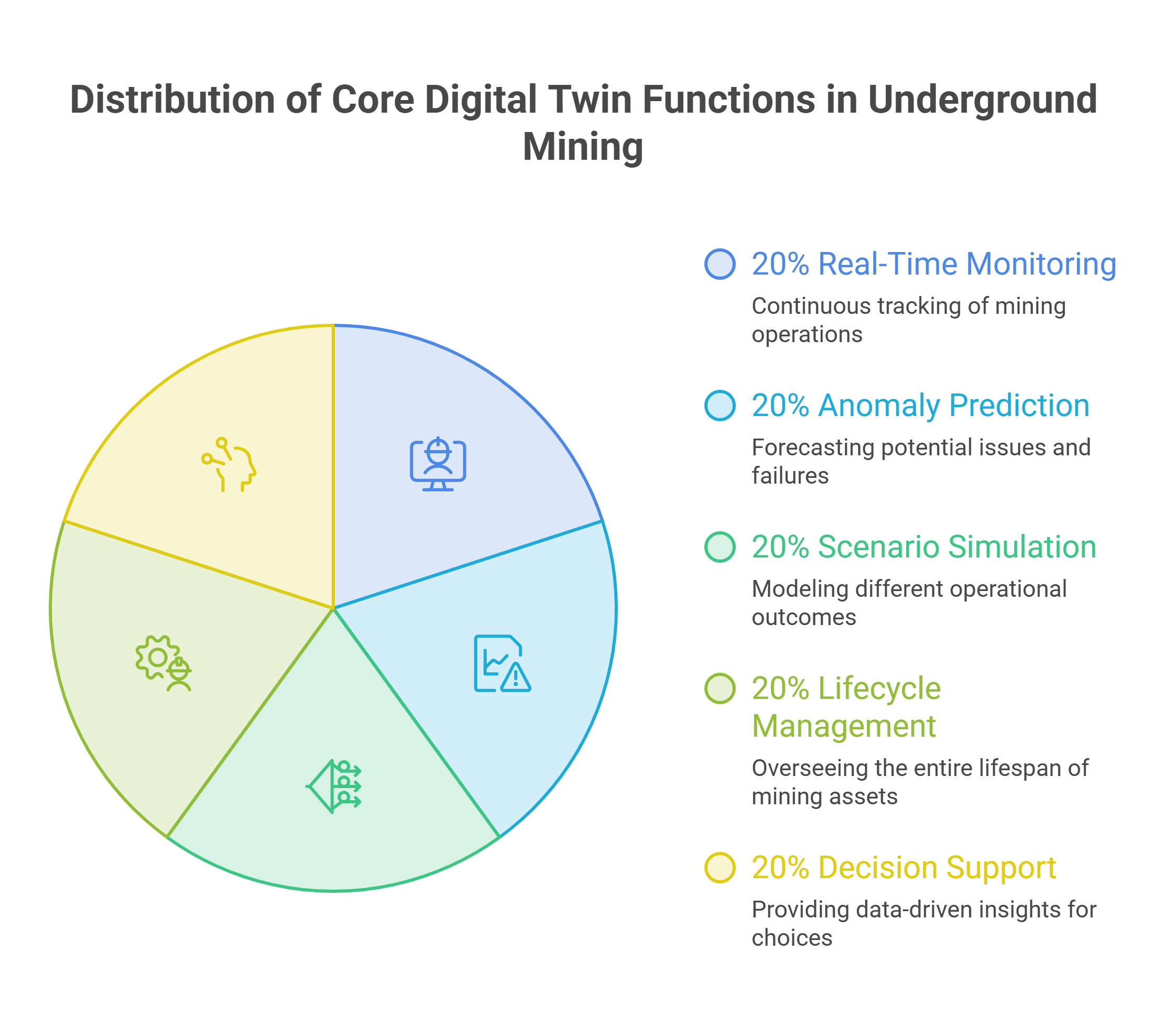
Key Takeaway: Mining digital twins are moving beyond static digital representation by connecting real-time monitoring with prediction, simulation and operational decision support.
As these capabilities develop, mining digital twins are becoming a mechanism for connecting operational data with a continuously updated view of the mine. The broader shift is from simply representing mining assets digitally toward creating an information environment that can support faster monitoring, analysis and operational decisions.