

Conclusion
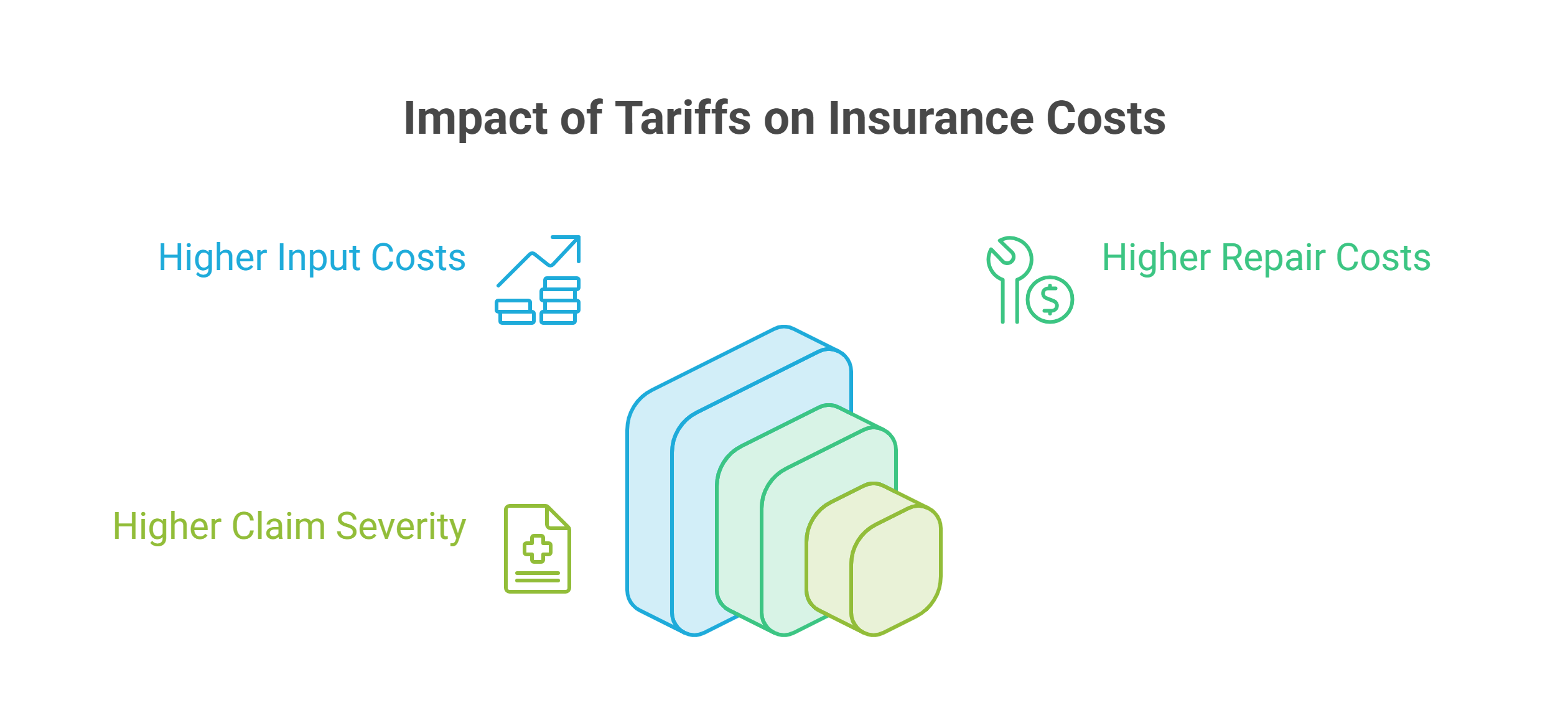
The impact of tariffs on insurance claims is not limited to a higher price for one replacement part or building material. It can move through the entire claims process, from repair costs and supply delays to settlement values and business interruption losses. Recent claims-cost data shows that insurance inflation is already running above general inflation, while tariffs are adding another layer of pressure in areas such as machinery, property and auto repairs.
For insurers, tariffs and insurance claims are therefore becoming part of a wider loss-cost and risk-management problem. The challenge is understanding which portfolios are most exposed, how quickly higher input costs can reach claims and whether existing policy limits and pricing assumptions still reflect those risks.
The market is unlikely to react in the same way everywhere. Exposure will depend on trade routes, sourcing patterns, local inflation, policy wording and the type of insured asset. But as supply chains become more closely linked to claims costs, insurers will need to monitor trade-driven changes much earlier in the claims cycle.