
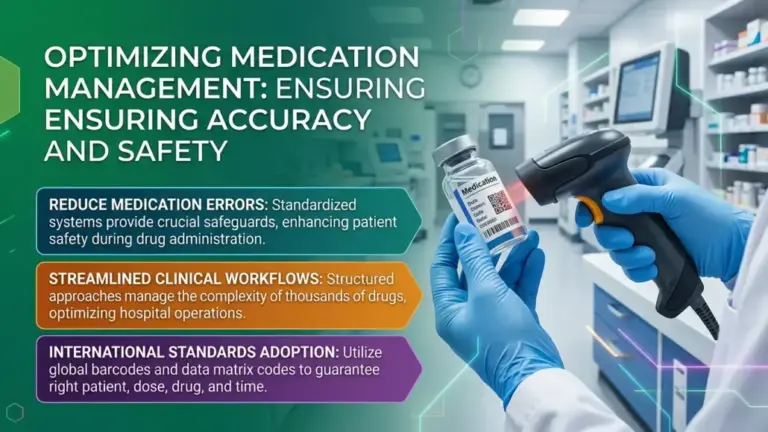
The complexity of modern pharmacology necessitates a highly structured approach to medication management within the hospital environment. With thousands of different drugs being administered daily, the potential for error is a constant concern for clinical teams. Standardized medication identification systems provide the necessary safeguards to ensure that the right patient receives the right dose of the right medication at the right time. By adopting international standards for barcodes and data formatting, healthcare institutions can significantly reduce the incidence of adverse drug events. This systematic approach is a fundamental requirement for maintaining high levels of dispensing accuracy across all clinical departments.
A key component of these systems is the use of unique identifiers for every pharmaceutical product. These identifiers allow for automated verification at every stage of the medication lifecycle, from the pharmacy shelf to the patient bedside. When a clinician scans a medication barcode, the system automatically cross-references the item with the patient’s electronic health record to verify the prescription. This real-time validation process adds a critical layer of safety, preventing errors that could arise from look-alike or sound-alike packaging. By eliminating the reliance on manual verification, hospitals can achieve a degree of precision that was previously unattainable.
Additionally, the adoption of standardized identification facilitates better communication between different healthcare providers. When medications are identified using a common language, the risk of misinterpretation during transitions of care is greatly reduced. This is particularly important when patients are transferred between different hospitals or from an acute care setting to a long-term care facility. By ensuring that medication data is clear and consistent, healthcare organizations can improve the continuity of care and enhance the overall safety of the patient journey.
Enhancing Pharmacy Workflows Through Automation and Digital Verification
The integration of automated dispensing cabinets and robotic pharmacy systems has revolutionized the way medications are handled in large hospitals. These technologies rely on standardized identification to manage inventory and prepare doses with minimal human intervention. By automating the most repetitive and error-prone tasks, pharmacy teams can focus their expertise on more complex clinical interventions. This shift not only improves efficiency but also directly contributes to a higher standard of dispensing accuracy. The resulting reduction in mechanical errors is a primary benefit of these advanced technological systems.
Digital verification systems also provide valuable data that can be used to monitor and improve pharmacy performance. By tracking every dispensing transaction, hospitals can identify patterns and trends that may indicate systemic vulnerabilities. If a specific medication is consistently associated with near-miss events, the organization can investigate the root cause and implement corrective measures. This proactive approach to quality improvement ensures that the medication management system is constantly evolving to meet the highest standards of patient safety.
- Automated barcode scanning at the point of care reduces administration errors by over fifty percent.
- Centralized pharmacy tracking prevents the accumulation of expired or recalled medications.
- Integration with electronic health records provides clinicians with real-time alerts for potential drug interactions.
- Standardized labels improve clarity for both clinical staff and patients.
The use of digital tools also allows for more effective management of specialized medications, such as high-alert drugs or those requiring refrigeration. By incorporating these items into a standardized identification framework, hospitals can ensure that they are stored and handled according to strict clinical guidelines. Automated alerts for temperature excursions or improper storage conditions provide an extra layer of protection for sensitive pharmaceuticals. This level of granular control is essential for maintaining the integrity of the medication supply and ensuring the safety of the patients who rely on these treatments.
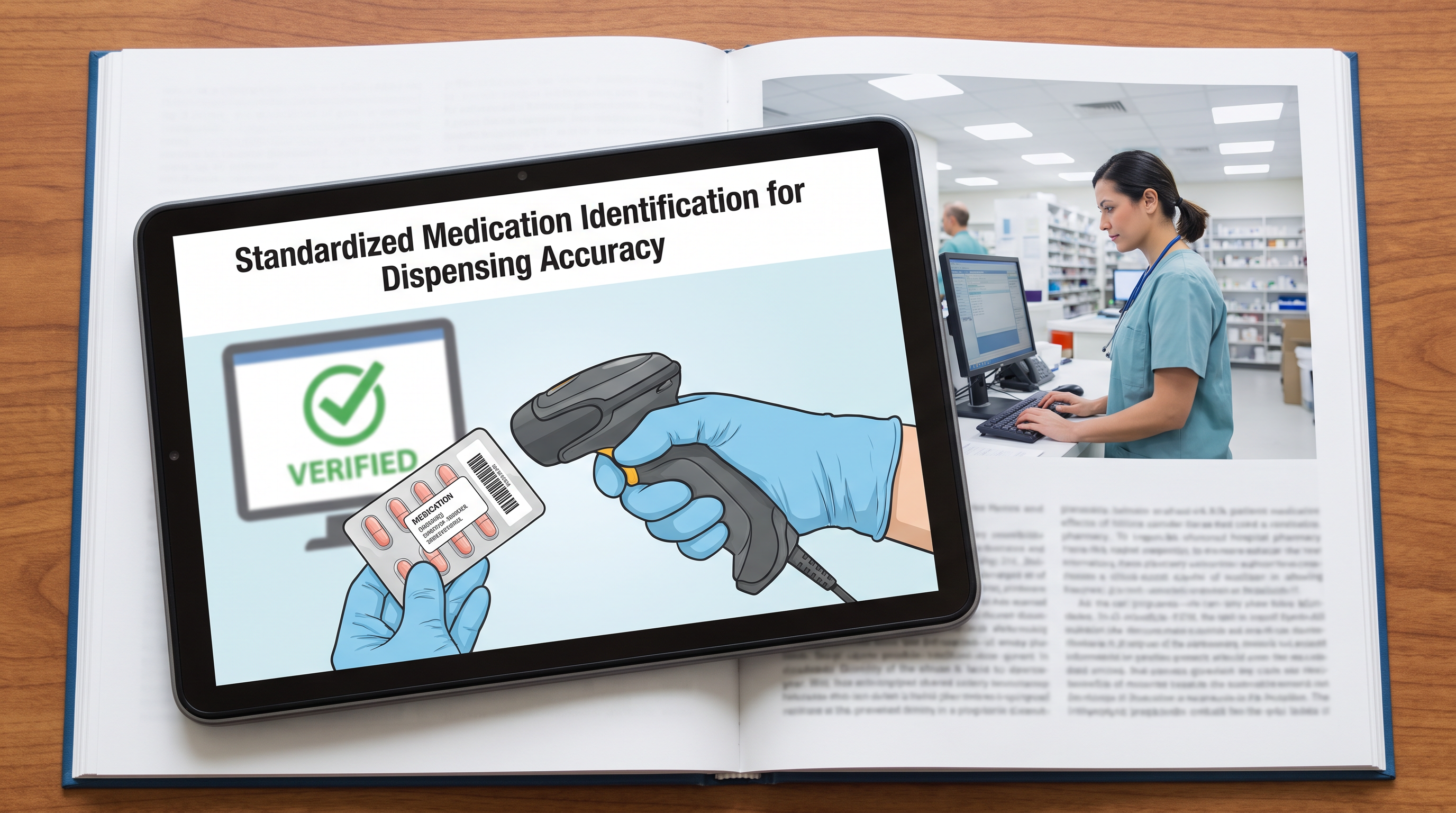
Integrating Data Systems for Comprehensive Medication Management
The success of a standardized identification system depends on the seamless integration of data across various hospital platforms. Medication data must flow freely between the pharmacy management system, the electronic health record, and the laboratory information system. This interconnectedness allows for a more holistic view of the patient’s pharmacological profile, enabling clinicians to make more informed decisions. For instance, if a patient’s laboratory results indicate a change in renal function, the system can automatically flag potential dosing adjustments for certain medications.
This level of integration also supports more effective population health management. By analyzing medication usage patterns across a large patient group, healthcare organizations can identify opportunities to improve clinical outcomes and reduce costs. For example, if data shows that a particular therapeutic class is associated with a high rate of readmissions, the hospital can develop targeted interventions to improve medication adherence and follow-up care. This data-driven approach to pharmacy management is a key component of a modern, value-based healthcare system.
Additionally, the integration of global udi implementation improving medical device compliance readiness ensures that all clinical products, including both medications and medical devices, are tracked using a consistent framework.
This unified approach to product identification simplifies the administrative burden on clinical staff and improves the overall transparency of the hospital supply chain. By maintaining a single source of truth for all medical products, institutions can ensure that their operations remain efficient, compliant, and safe for all patients.
Addressing the Human Element in Medication Safety Protocols
While technology provides the tools for improved safety, the human element remains a critical factor in the success of any medication management initiative. Clinicians must be trained to use the identification systems correctly and to understand the importance of following standardized protocols. Resistance to new technologies often stems from a lack of training or a feeling that the digital tools are an unnecessary burden. Therefore, hospital leadership must prioritize education and provide ongoing support to ensure that the systems are utilized to their full potential.
Creating a culture of safety is essential for encouraging staff to report errors and near-misses without fear of retribution. By treating every incident as an opportunity for learning and improvement, organizations can build a more resilient medication management system. Open communication between pharmacists, nurses, and physicians is also vital for ensuring that potential issues are identified and addressed before they reach the patient. This collaborative approach to safety is a hallmark of a high-performing healthcare organization.
Regular audits and performance reviews are also necessary to maintain the integrity of the medication management system. By monitoring compliance with standardized protocols, hospitals can identify areas where additional training or system adjustments may be needed. This continuous monitoring ensures that the organization remains vigilant and responsive to new challenges in medication safety. The combination of advanced technology and a strong commitment to clinical excellence is the most effective way to ensure the highest standards of dispensing accuracy.
Future Innovations in Pharmaceutical Tracking and Patient Safety
As the healthcare industry continues to evolve, new technologies are emerging that will further enhance medication safety and identification. The use of radio frequency identification (RFID) tags for individual medication units is becoming increasingly feasible, providing even greater precision in tracking and verification. These tags can store a wealth of information, including the medication’s batch number, expiration date, and storage history. This level of granular data will allow for even more sophisticated inventory management and safety protocols.
Personalized medicine and the use of pharmacogenomics are also expected to play a larger role in future medication management. By tailoring drug therapy to the individual patient’s genetic profile, clinicians can improve efficacy and reduce the risk of adverse reactions. Standardized identification systems will be essential for managing the complex data required for these personalized treatments. By providing a clear and accurate record of every medication administered, these systems will support the safe and effective delivery of the next generation of medical therapies.
In addition to technical innovations, the focus on patient-centered care will continue to drive improvements in medication safety. Standardized labels that are easier for patients to read and understand will help to improve medication adherence and reduce errors after discharge. The integration of digital tools that allow patients to track their own medications and receive alerts for doses will also contribute to better health outcomes. By prioritizing the needs of the patient at every stage of the medication lifecycle, healthcare organizations can build a safer and more effective healthcare system for all. The journey toward improved dispensing accuracy is an ongoing process that requires a relentless focus on innovation, collaboration, and clinical excellence. By embracing new technologies and fostering a culture of safety, hospitals can ensure that they are providing the highest standard of care to every patient, every time. As these systems continue to mature, they will become an indispensable part of the modern healthcare environment, protecting patients and supporting clinical teams in their mission to save lives.