
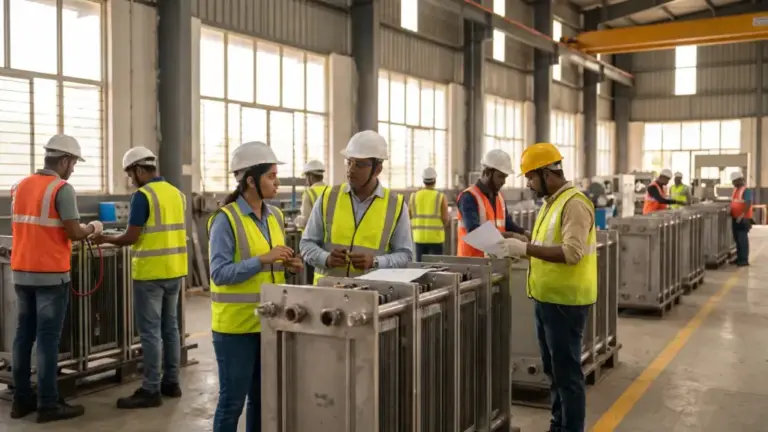
The journey toward a sustainable energy future in the Indian subcontinent is increasingly defined by the ability to localize advanced clean energy technologies, with electrolyser manufacturing in India standing at the very forefront of this industrial revolution. As the nation pivots toward a hydrogen-based economy, the need for high-efficiency, cost-effective electrolysers has transitioned from a technical requirement to a strategic necessity. To meet the ambitious goals set by the National Green Hydrogen Mission, India must build a robust manufacturing base capable of producing tens of gigawatts of electrolysis capacity annually. This effort involves not only setting up large-scale assembly plants but also fostering an entire ecosystem that includes the production of specialized components like membranes, catalysts, and bipolar plates. By scaling this manufacturing sector, India aims to reduce its dependence on imports, lower the capital expenditure of green hydrogen projects, and establish itself as a global leader in the clean energy technology market.
The Strategic Importance of Localizing Electrolyser Technology
A self-reliant hydrogen economy is impossible without the domestic production of its core engine the electrolyser. Currently, the global supply of electrolysers is dominated by a few key players, and the resulting supply chain constraints can often delay large-scale energy projects. For India, localizing electrolyser manufacturing in India is a critical step in mitigating these external risks. By producing these devices domestically, the country can ensure a steady supply for its growing industrial demand while significantly reducing the logistics and import costs that currently inflate project budgets. Furthermore, localization allows for the development of technology that is specifically optimized for India’s unique climatic conditions and grid characteristics, ensuring higher operational efficiency and longer equipment life in the challenging local environment.
The Impact of Production Linked Incentives (PLI) on Growth
The primary driver for the expansion of electrolyser manufacturing in India has been the government’s targeted fiscal support through the Production Linked Incentive (PLI) scheme. By offering financial incentives based on the capacity and efficiency of the manufactured units, the government has successfully attracted both domestic industrial giants and global technology leaders to set up shop in India. This scheme provides the necessary “cushion” for manufacturers to scale their operations and invest in state-of-the-art facilities. The competition fostered by the PLI scheme is also driving technological maturation, as companies strive to produce the most efficient and cost-effective electrolysers to qualify for the highest incentive brackets. This policy-led approach has effectively jump-started a sector that would have otherwise taken years to gain momentum.
Diversification of Electrolysis Technologies: Alkaline, PEM, and SOEC
The growth of electrolyser manufacturing in India is not limited to a single technology but encompasses a diverse range of electrolysis methods. Alkaline electrolysers, known for their maturity and relatively lower cost, are currently the mainstay of the industry. However, there is a growing focus on Proton Exchange Membrane (PEM) technology, which offers better flexibility and integration with intermittent renewable energy sources. Additionally, high-temperature Solid Oxide Electrolyser Cell (SOEC) technology is being explored for its superior efficiency, particularly in industrial settings where waste heat can be utilized. By fostering a manufacturing base that supports all these technologies, India is ensuring that its industrial sector has access to the best tools for specific applications, whether it be large-scale ammonia production or decentralized hydrogen refuelling.
Building a Resilient Ancillary Supply Chain for Components
A truly successful sector for electrolyser manufacturing in India requires more than just final assembly plants it demands a deep and resilient ancillary supply chain. Each electrolyser unit is composed of thousands of precision-engineered parts, many of which require specialized materials like iridium, platinum, and high-performance polymers. Encouraging domestic small and medium enterprises (SMEs) to specialize in these components is vital for creating a sustainable ecosystem. This includes the manufacturing of power electronics, cooling systems, and water treatment modules. By integrating these suppliers into the larger manufacturing framework, India can minimize bottlenecks and ensure that the benefits of the hydrogen economy are distributed throughout the entire industrial landscape, creating a multiplier effect for job creation and economic growth.
Technological Innovation and R&D for Efficiency Gains
To maintain a competitive edge, electrolyser manufacturing in India must be underpinned by continuous research and development. The goal is to produce units that offer higher current densities, lower degradation rates, and reduced use of expensive rare earth metals. Collaborative efforts between Indian institutes of technology, national research labs, and private industry are focusing on developing new catalyst materials and improved membrane designs. By investing in indigenous R&D, India can move from being a technology adopter to a global innovator, setting new benchmarks for electrolyser performance. These innovations are crucial for driving down the levelized cost of hydrogen, making green fuel a viable alternative to traditional fossil fuels across a wider range of industrial applications.
Addressing Logistical and Infrastructure Bottlenecks
While the manufacturing capacity is scaling, the industry must also address the logistical challenges of moving these large, sensitive units from factories to project sites. The transport of multi-megawatt electrolyser modules requires specialized heavy-lift logistics and a robust road and port infrastructure. Furthermore, the installation of these units requires a skilled workforce capable of handling high-pressure gas systems and complex electrical integrations. By investing in vocational training and improving industrial logistics, India can ensure that the rapid growth in manufacturing capacity is matched by a smooth deployment phase. This holistic approach ensures that the electrolyser manufacturing in India contributes to a seamless and efficient transition toward a green energy future.
The Role of International Partnerships and Global Integration
The scaling of electrolyser manufacturing in India is a global endeavor that benefits from international collaboration. Joint ventures between Indian conglomerates and European or North American technology firms are playing a vital role in knowledge transfer and capacity building. These partnerships allow Indian firms to adopt proven manufacturing processes while tailoring them to local requirements. Conversely, global firms gain access to one of the world’s largest and most promising hydrogen markets. This integration into the global clean energy supply chain also opens doors for Indian-made electrolysers to be exported to international markets, further enhancing the economic viability of the domestic manufacturing sector and strengthening India’s position in the global trade of clean technologies.
Environmental and Social Responsibility in Manufacturing
As the sector for electrolyser manufacturing in India grows, it must also prioritize environmental and social governance (ESG). This includes adopting sustainable manufacturing practices that minimize waste and energy consumption during the production process. Furthermore, the industry must ensure fair labor practices and contribute to the social development of the regions where manufacturing hubs are located. By building a “green” supply chain for “green” hydrogen, India can ensure that the transition to clean energy is ethically sound and environmentally holistic. This commitment to sustainability is not just a moral imperative but a core business requirement for attracting international investment and meeting the stringent ESG standards of global customers.
Future Outlook: India as a Global Electrolyser Hub
The future of electrolyser manufacturing in India looks exceptionally promising, with the potential to transform the nation into a global hub for clean energy technology. As the domestic market reaches critical mass and production costs continue to fall, Indian-made electrolysers will become highly competitive in the international market. The synergy between government support, private sector innovation, and a skilled workforce is creating a virtuous cycle of growth. Ultimately, the success of this sector will be measured by its ability to drive large-scale decarbonization and energy independence for India. By building a manufacturing legacy rooted in quality and innovation, India is ensuring that its growth is not just rapid, but also sustainable, leading the world toward a brighter and cleaner tomorrow.
Strategic Partnerships and Global Integration
The journey to scaling electrolyser manufacturing in India is increasingly characterized by high-value international partnerships that facilitate the transfer of advanced technical knowledge. By collaborating with global leaders in electrolysis, Indian manufacturers are able to adopt best practices in plant design, quality control, and operational safety. These joint ventures are not just about importing technology they are about co-creating solutions that are resilient and tailored to the local environment. As the domestic market matures, these partnerships will evolve into global supply chain alliances, where Indian-made components are integrated into projects worldwide. This global connectivity ensures that India remains at the cutting edge of the energy transition, fostering a manufacturing sector that is both locally rooted and globally competitive, driving sustainable growth for decades to come.
Conclusion: A New Era of Industrial Leadership
The expansion of electrolyser manufacturing in India marks the beginning of a new era of industrial leadership, where the nation moves from a technology consumer to a primary creator of clean energy solutions. The synergy between government support, private sector innovation, and a skilled workforce is creating a virtuous cycle of growth that is essential for reaching net-zero goals. By building a manufacturing legacy based on quality, resilience, and innovation, India is ensuring that its economic growth is both rapid and sustainable. The lessons learned in this scaling phase will provide the blueprint for a future where clean energy technology is a cornerstone of national prosperity, inspiring the world with a model of industrial excellence that balances economic ambition with environmental stewardship for a brighter tomorrow.