
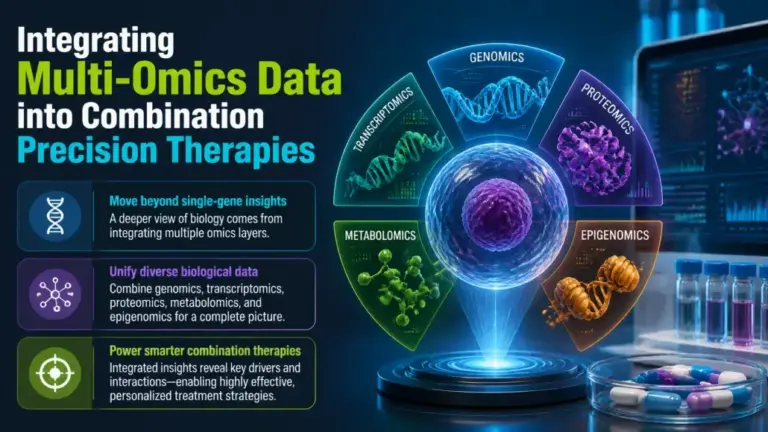
By synthesizing these multiple layers of molecular information, researchers can gain a holistic view of the disease process, identifying not just the genetic drivers but also the downstream biological consequences and the complex interactions that lead to therapeutic resistance. This systemic approach is simplifying the development of personalized treatments for complex diseases like cancer and autoimmune disorders, marking a new frontier in the quest for medical breakthroughs.
Computational Challenges and Spatial Frontiers
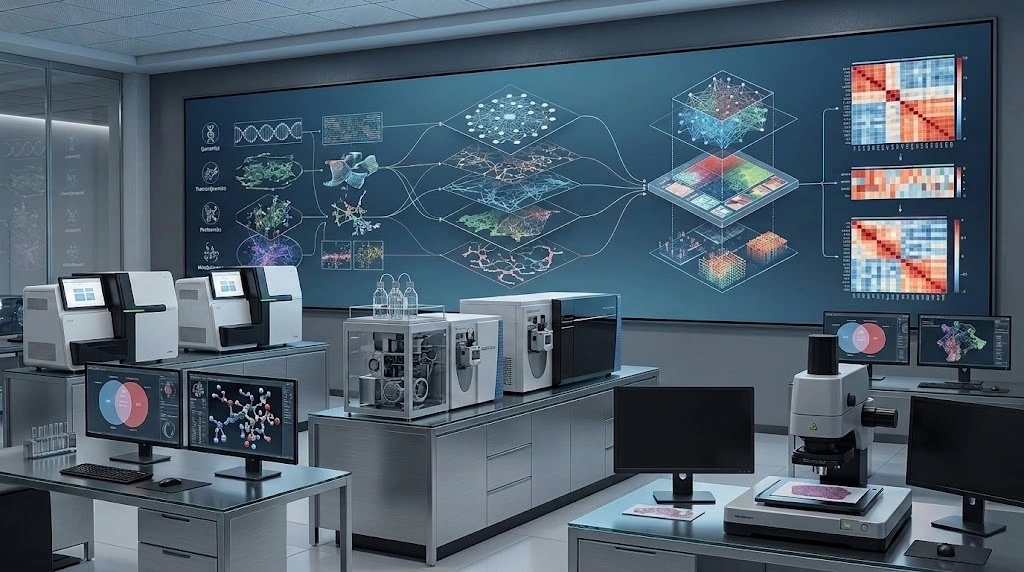
This is particularly relevant for understanding the ‘tumor microenvironment’ in cancer, where the spatial organization of immune cells and cancer cells can determine the outcome of a therapy. The synergy between spatial analysis and multi-omics is the next major frontier in precision medicine.
Expanding the Clinical Scope: Microenvironment to Real-Time Monitoring
By providing a more comprehensive and accurate molecular profile, multi-omics allows for the development of highly personalized treatment plans and the identification of new therapeutic targets. For instance, the use of blockchain and AI to ensure the integrity and security of these massive datasets is essential for maintaining patient trust and facilitating global research collaboration. Similarly, the integration of multi-omics data with real-world clinical outcomes is creating a powerful feedback loop that allows for the continuous optimization of personalized therapies. This systemic approach ensures that the journey from molecular discovery to clinical cure is a data-driven process that maximizes the chances of success for every individual patient.
Infrastructure, Economics, and Standardization
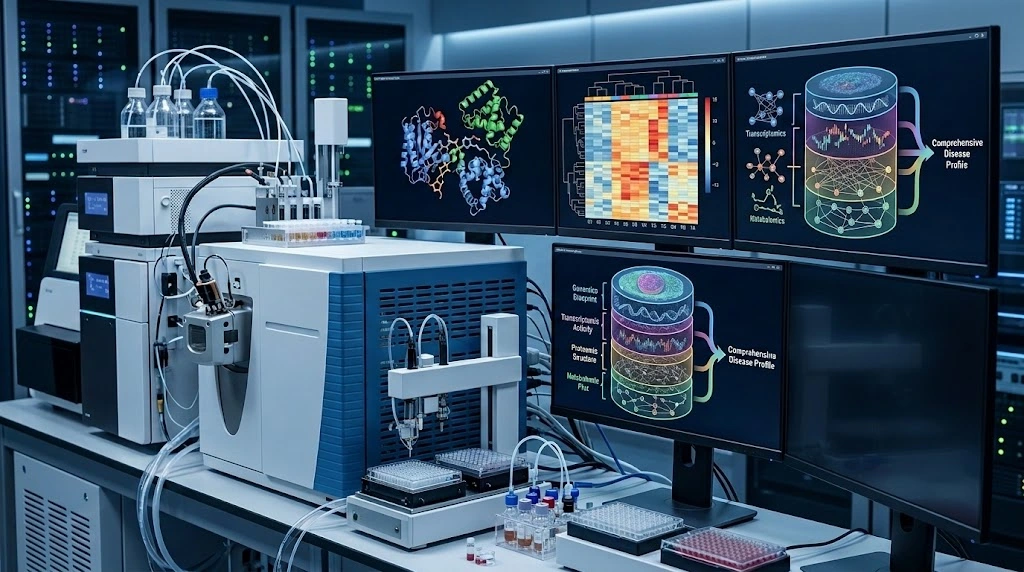
The technical implementation of multi-omics integration also requires a high degree of coordination between data scientists, biologists, and clinicians. Building a computational infrastructure that can handle the massive volumes of data generated by multi-omics research—and that can accurately integrate these different datasets while maintaining data quality—is a significant engineering challenge. Similarly, developing new algorithms that can identify meaningful patterns and correlations across multiple biological levels is a key priority for the industry. The collaboration between these different sectors is essential for overcoming the technical hurdles and ensuring that the benefits of multi-omics integration reach the clinical setting as quickly and safely as possible.
 The economic case for the integration of these technologies is also becoming increasingly compelling. While the cost of generating and analyzing multi-omics data can be significant, the long-term savings associated with more efficient drug discovery and better patient outcomes are substantial. Reducing the failure rate of clinical trials by identifying the most promising drug candidates and patient populations can significantly lower the overall cost of drug development. Moreover, the improved efficacy and safety of combination therapies can lead to lower healthcare costs by reducing the number of ineffective treatments and hospitalizations. The financial benefits of multi-omics data integration are thus a major driver of their adoption across the pharmaceutical landscape.
The Future of Precision Medicine and Human Capital
By embracing these innovations, the pharmaceutical community is not only unlocking the mysteries of human biology but also building a more resilient and effective foundation for the future of medicine. The fusion of diverse molecular datasets and advanced analytics, embodied in the rise of multi-omics data integration, is the defining vision for the medicine of the 21st century. The journey from a massive dataset to a targeted cure is a collective effort that will require the participation of stakeholders across the entire data science and medical sectors.
References
-
Illumina Launches Strategic Research Collaboration with AstraZeneca to Accelerate Drug Target Discovery
-
Multi-Omics Data Integration in Pharmaceutical Research: A Holistic Approach
-
The Role of Proteomics and Metabolomics in Precision Medicine
-
Computational Tools for Multi-Omics Data Analysis and Integration
-
Global Alliance for Genomics and Health: Standardizing Multi-Omics Data Sharing