
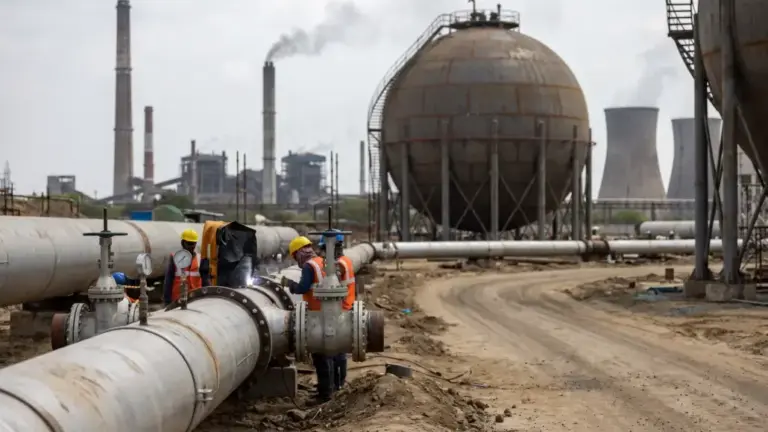
The successful transition of the Indian industry toward a low-carbon future is fundamentally dependent on the rapid development of a robust and interconnected hydrogen infrastructure in India. While the production of green hydrogen is gaining momentum through various pilot projects and policy incentives, the missing link remains the physical and digital network required to store, transport, and deliver this clean energy to end-users. As sectors like steel, cement, and heavy-duty transport seek to reduce their carbon footprint, the availability of reliable infrastructure becomes the primary enabler of change. This challenge involves a multi-pronged approach, ranging from the construction of dedicated pipelines and large-scale storage facilities to the establishment of strategically located hydrogen refuelling stations. By building a comprehensive ecosystem, India can ensure that green hydrogen is not just a localized solution but a national resource that drives industrial decarbonization at scale, supporting the country’s broader goal of reaching net-zero emissions.
The Role of Integrated Hydrogen Valleys and Industrial Hubs
The concept of “Hydrogen Valleys” is at the heart of the emerging hydrogen infrastructure in India. These are geographically concentrated clusters where hydrogen production, storage, and industrial consumption are co-located to minimize logistical hurdles and costs. By creating these hubs near existing industrial zones such as the coastal regions of Gujarat and Tamil Nadu or the mineral-rich belts of Odisha and Jharkhand developers can leverage shared infrastructure. This integrated approach allows for economies of scale, making the transition more affordable for individual factories. These valleys serve as testing grounds for new technologies, providing a blueprint for how hydrogen can be integrated into diverse industrial processes, from high-heat manufacturing to chemical synthesis, without the need for extensive long-distance transport in the initial phases.
Advancing Hydrogen Storage Solutions for Grid Stability
Storage is a critical component of the hydrogen infrastructure in India, particularly as the energy source is intended to balance the intermittency of renewable power. Because hydrogen has a very low density, storing it in large quantities requires innovative solutions. The industry is exploring several pathways, including high-pressure gaseous storage, liquid hydrogen tanks, and chemical carriers like ammonia. For long-term, seasonal storage, the potential for using underground salt caverns or depleted oil and gas reservoirs is being investigated. These large-scale storage facilities can act as strategic reserves, ensuring a consistent supply of hydrogen even during periods of low renewable energy generation. Developing these storage assets is vital for maintaining the operational stability of heavy industries that require a continuous, twenty-four-seven supply of energy for their furnaces and chemical reactors.
Developing a National Pipeline Network for Efficient Transport
To move hydrogen over long distances from production sites to inland industrial consumers, a dedicated pipeline network is essential for the hydrogen infrastructure in India. While the existing natural gas pipeline network can potentially be repurposed or blended with hydrogen in the short term, the ultimate goal is to have a specialized network designed to handle the unique properties of hydrogen. Hydrogen molecules are extremely small and can cause embrittlement in traditional steel pipes, necessitating the use of advanced materials and coatings. The government’s focus on the “National Gas Grid” provides a foundation, but the expansion into hydrogen-specific pipelines will require significant investment and engineering expertise. A well-planned pipeline network will drastically reduce the cost of transportation compared to trucking, making green hydrogen a viable alternative for industries located far from coastal production hubs.
The Emergence of Virtual Pipelines and Trucking Logistics
In regions where pipeline infrastructure is not yet feasible, the hydrogen infrastructure in India relies on “virtual pipelines” a network of specialized trucks and trailers that transport compressed or liquefied hydrogen. This method is particularly important for the early stages of market development and for reaching remote industrial sites. Enhancing this segment involves the local manufacturing of high-pressure carbon-fiber cylinders and cryogenic trailers that can safely move hydrogen across the country’s highway network. Improving the efficiency of these transport modules and optimizing the logistics through digital tracking and routing software can help lower the delivery cost. As the demand for hydrogen grows, these virtual pipelines will complement the fixed network, providing the flexibility needed to serve a diverse range of customers, from small chemical plants to large-scale transport fleets.
Establishing a Robust Hydrogen Refuelling Infrastructure
The transition of the heavy-duty transport sector including long-haul trucks, buses, and eventually trains depends on the widespread availability of hydrogen refuelling stations (HRS). This part of the hydrogen infrastructure in India is crucial for decarbonizing a sector that contributes significantly to national emissions. A typical refuelling station must include high-pressure compression systems, cooling units, and dispensers that can fill a truck’s tank in a matter of minutes, similar to diesel refuelling. Strategically placing these stations along major freight corridors like the Golden Quadrilateral will enable the adoption of fuel cell electric vehicles (FCEVs). Collaborative efforts between oil marketing companies, hydrogen producers, and vehicle manufacturers are needed to ensure that the rollout of refuelling stations keeps pace with the deployment of hydrogen-powered fleets.
Digital Infrastructure and Smart Grid Integration
Beyond the physical pipes and tanks, the hydrogen infrastructure in India must include a sophisticated digital layer. This involves the use of IoT sensors, blockchain for certifying the “greenness” of the hydrogen, and advanced energy management systems that coordinate between renewable generation and hydrogen production. As electrolysers become significant loads on the national power grid, smart integration is needed to prevent grid instability and to take advantage of periods of surplus power. Digital twins of the entire infrastructure can help operators predict maintenance needs, optimize flow rates, and ensure the highest standards of safety. This digital transformation is not just an add-on but a fundamental requirement for managing a complex, decentralized energy system that relies on the seamless interplay of electricity and gas.
Coastal Hubs and Strategic Port Infrastructure
India’s long coastline offers a unique advantage for the development of hydrogen infrastructure in India, specifically for the export market and for industries located near major ports. Developing “Green Ports” that feature hydrogen production, storage, and bunkering facilities for ships is a key priority. These hubs can serve as gateway points for exporting green ammonia to international markets. Upgrading port infrastructure to handle liquid hydrogen and its derivatives requires specialized loading arms, storage terminals, and safety zones. By integrating these facilities into existing port ecosystems, India can significantly lower the costs of international trade in clean energy, positioning itself as a primary supplier to the global market while decarbonizing its own maritime sector.
Overcoming Land Acquisition and Right-of-Way Hurdles
One of the most significant practical challenges in building a national hydrogen infrastructure in India is securing the necessary land and right-of-way (RoW) for pipelines and production hubs. Infrastructure projects of this scale often face bureaucratic delays and community concerns. To address this, the government is working on streamlined clearance processes and guidelines that facilitate the acquisition of land for clean energy projects. Leveraging existing utility corridors, such as those used for high-voltage power lines or natural gas pipes, can minimize the social and environmental impact. Ensuring that local communities are stakeholders in these projects through employment and local development initiatives is also vital for building the social license required for long-term infrastructure growth.
Standardizing Equipment and Interoperability
For a truly effective hydrogen infrastructure in India, there must be a high degree of standardization across all technical components. Interoperability between different manufacturers’ electrolysers, storage tanks, and refuelling dispensers is essential for creating a flexible and resilient network. The Bureau of Indian Standards (BIS) is working closely with international bodies to develop codes and standards that ensure safety and compatibility. Standardized components allow for faster maintenance and lower spare-parts costs, making the entire ecosystem more efficient. By adopting these standards early, India can ensure that its infrastructure is not fragmented into incompatible technological islands, but instead functions as a single, cohesive national energy system.
Standardization of Safety Protocols for Public-Private Infrastructure
A fundamental pillar for the growth of hydrogen infrastructure in India is the establishment of standardized safety protocols that can be adopted across both public and private sectors. Given the highly diffusive and flammable nature of hydrogen, there can be no room for error in the design and operation of pipelines, storage hubs, and refuelling stations. This requires the development of rigorous national codes that cover everything from leak detection systems to fire suppression technologies. Collaborative efforts between government regulatory bodies and private infrastructure developers are essential for creating a uniform safety culture. By adopting international best practices and adapting them to the Indian operational context, the industry can build public trust and ensure that the rollout of infrastructure is safe and reliable. These standards also facilitate smoother cross-border trade, as international partners will have confidence that the Indian infrastructure meets the highest global safety benchmarks, further accelerating the nation’s industrial transition.
Conclusion: Strengthening the Arteries of the Clean Economy
The development of hydrogen infrastructure in India is the most significant industrial challenge of the coming decade. It is not just about building physical assets it is about creating the arteries of a new, cleaner economy that will sustain the nation’s growth for years to come. By prioritizing a mix of pipelines, storage, and digital solutions, India can overcome the logistical barriers that currently limit the reach of green hydrogen. As these infrastructure projects move from the drawing board to the construction site, they represent a tangible commitment to a sustainable future. A robust infrastructure will not only support industrial decarbonization but also foster a new era of energy independence, ensuring that India remains a global leader in the transition to a low-carbon world, driven by innovation, resilience, and a unified national vision that prioritizes safety, efficiency, and long-term environmental stewardship.