The global aluminium market is entering a period in which supply flexibility is becoming increasingly important. Demand continues to expand across electrification, renewable-energy infrastructure, transport and packaging, while producers are facing tighter operating conditions, limited spare capacity, higher energy costs and disruptions across supply chains. These pressures are making the global aluminium market more sensitive to changes in production and logistics.
The price outlook reflects this tightening environment. The World Bank projects aluminium prices to rise by around 22% in 2026 to an annual average of approximately $3,200 per tonne. The forecast reflects tight supply conditions and resilient demand, with additional pressure from higher energy costs and production and shipping disruptions. The World Bank also expects demand to continue growing through electrification technologies such as solar installations, wind turbines, power transmission infrastructure and energy storage, alongside established uses in transport and packaging.
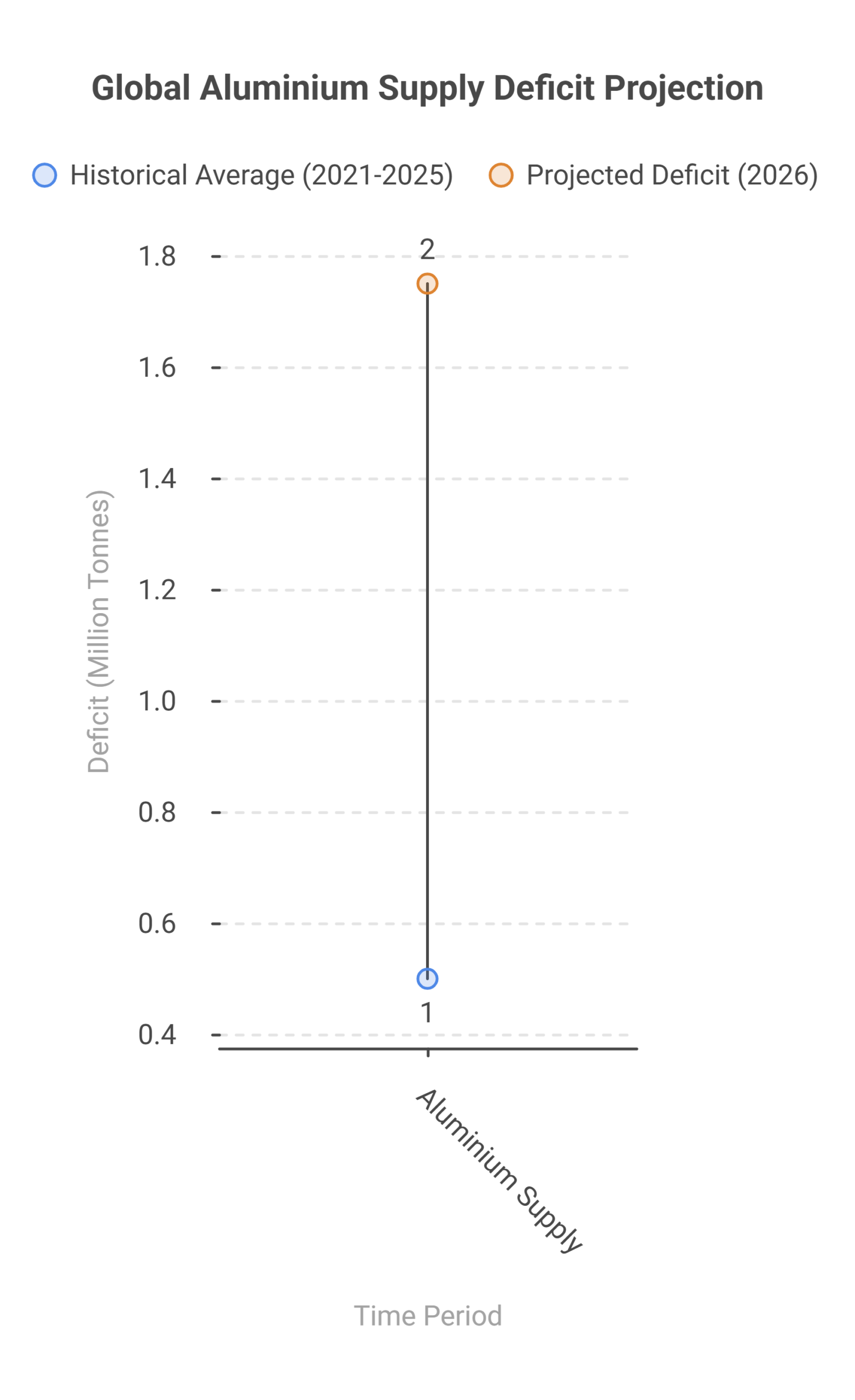
Physical availability has also come under pressure. Global primary aluminium production declined year on year in early 2026, while disruption to production and logistics has reduced the industry’s ability to quickly replace lost tonnes. The International Aluminium Institute has highlighted the impact of production interruptions on global supply, adding to concerns about the availability of primary metal.
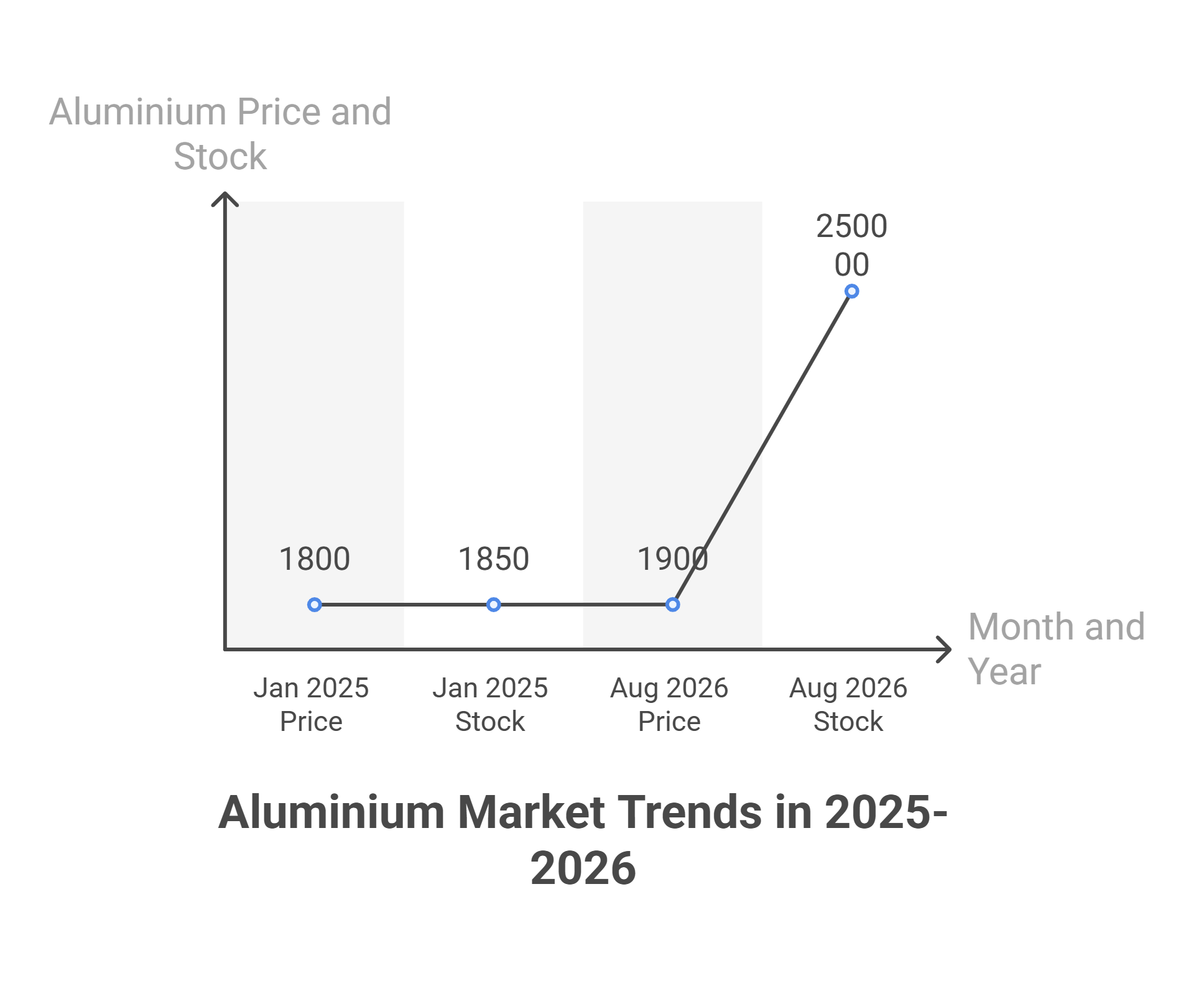
At the exchange level, inventories provide another indication of tighter conditions. London Metal Exchange aluminium stocks fell to around 250,000 tonnes in August 2026, their lowest level in 36 years, according to Reuters. With less readily available metal held in visible inventories, unexpected production losses or shipping disruptions can have a larger effect on premiums, delivery times and procurement decisions.