
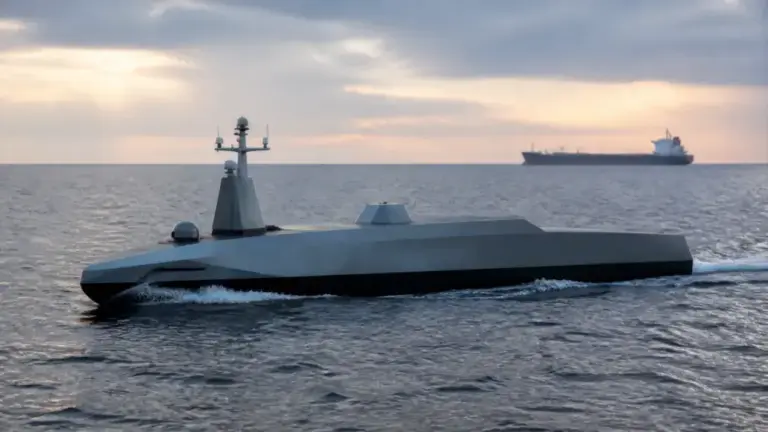
The global maritime industry is currently undergoing a digital revolution that promises to be as transformative as the shift from coal to oil. At the center of this upheaval are Maritime Autonomous Surface Ships (MASS), a new generation of vessels that leverage artificial intelligence, multi-modal sensor fusion, and remote operation technologies to navigate the high seas with minimal or no human intervention. Often referred to as smart ships, these vessels are not just a technological curiosity. They represent the future of shipping, offering the potential to drastically reduce human error, optimize fuel consumption, and reshape the global logistics chain. As the technology matures and international regulatory frameworks like the IMO’s MASS Code take shape, the era of the autonomous mariner is fast becoming a reality.
The technical architecture of maritime autonomous surface ships is a marvel of modern engineering. To achieve situational awareness that rivals or exceeds a human lookout, these vessels utilize a unified matrix of sensors, including 3D LiDAR, solid-state radar (FMCW and X/S-band), high-definition optical cameras, and long-wave infrared (LWIR) thermal sensors. Transport Advancement notes that by fusing these data streams in real-time using edge computing architectures, the ship’s onboard AI can detect, classify, and track thousands of objects simultaneously, from large container ships to small, uncooperative wooden craft and floating debris. This continuous, 360-degree monitoring is combined with Global Navigation Satellite Systems (GNSS) and RTK positioning to provide sub-decimeter accuracy, even in the most challenging maritime environments.
The Evolution of Autonomy: From Decision Support to Full Autonomy
The transition to fully autonomous shipping is occurring in stages, as defined by the International Maritime Organization (IMO). Degrees 1 and 2 focus on enhancing the capabilities of human crews through automated decision support and remote assistance, where seafarers remain on board to take control if necessary. However, the true disruptive potential lies in Degree 3 and 4 maritime autonomous surface ships. Degree 3 vessels are remotely operated from shore-based Remote Operations Centers (ROCs), where a Remote Master monitors the ship’s progress and intervenes only when necessary. Degree 4 represents the pinnacle of the technology: a fully autonomous ship where the operating system is capable of making independent decisions and executing actions, such as collision avoidance maneuvers, without any human input.
This shift toward remote and autonomous operation is driven by the urgent need for greater efficiency and safety. In traditional shipping, human error is cited as the primary cause of over 75% of maritime accidents, including collisions and groundings. By removing the human element from the direct control loop, maritime autonomous surface ships can significantly reduce these risks. Furthermore, without the need for onboard crew accommodation, life support systems, and massive bridge structures, the design of the ship can be completely optimized for cargo capacity and aerodynamics. This leads to lighter, more fuel-efficient vessels that can contribute significantly to the industry’s aggressive decarbonization goals.
Remote Operations Centers and the Role of Connectivity
The backbone of the maritime autonomous surface ships ecosystem is the Remote Operations Center (ROC). These shore-based hubs act as the brain of the operation, providing the human-in-the-loop (HITL) oversight necessary for safe navigation and regulatory compliance. To maintain a constant, high-bandwidth connection between the ship and the ROC, the industry is increasingly relying on low-earth orbit (LEO) satellite constellations like Starlink and OneWeb. These networks provide the low-latency data pipelines required for streaming real-time video, LiDAR point clouds, and sensor telemetry, allowing shore-based operators to see exactly what the ship sees.
However, this reliance on continuous connectivity introduces new risks, particularly in the realm of cybersecurity. A maritime autonomous surface ship is essentially a massive, moving IoT device, making it a target for GPS spoofing, AIS hijacking, and unauthorized takeover attempts. Protecting the future of shipping requires a multi-layered security approach, including end-to-end encryption, hardware-based roots of trust, and the development of robust fail-safe protocols. If a ship loses its connection to the ROC, it must be capable of automatically navigating to a safe harbor or entering a station-keeping mode using its internal situational awareness models. Compliance with IACS UR E26 and E27 is now a baseline requirement for these digital maritime assets.
Autonomous Berthing, Docking, and Port Integration
The future of maritime autonomous surface ships extends beyond the open ocean and into the complex environment of the port. One of the most technically challenging aspects of autonomous shipping is the arrival and departure phase. Modern MASS are being equipped with autonomous berthing and docking systems that utilize LiDAR-based rangefinding, dynamic positioning (DP), and automated vacuum mooring systems. These technologies allow a vessel to dock with millimeter precision without the need for human pilots or traditional tugboat intervention, significantly reducing the turnaround time and cost of port operations.
Integrating these smart ships into existing port infrastructure requires a high degree of digitalization at the shore side. Ports must be equipped with digital twin models and high-speed VDES (VHF Data Exchange System) networks to coordinate the movement of autonomous vessels with traditional traffic. This smart port integration is essential for creating a seamless, end-to-end autonomous logistics chain. As more ports adopt these technologies, we will see the emergence of a truly global network of autonomous shipping, where the movement of goods is optimized by AI from the factory gate to the final destination.
Pioneering Projects and the Commercial Horizon
The practical viability of maritime autonomous surface ships has already been demonstrated by several flagship projects. The Yara Birkeland, a fully electric and autonomous container feeder in Norway, is perhaps the most famous example of a Degree 4 vessel in operation. Meanwhile, Ocean Infinity’s “Armada” fleet of uncrewed surface vessels (USVs) is already performing subsea surveys and pipeline inspections worldwide. Other notable initiatives include Japan’s MEGURI 2040 consortium and HD Hyundai’s Avikus, which successfully completed the first transoceanic voyage of a large LNG carrier using autonomous navigation technology. These projects are providing the invaluable data needed to refine the AI algorithms and sensor configurations that will define the next generation of global shipping.
As the technology scales and the IMO’s mandatory MASS Code approaches its entry into force in 2032, we can expect to see the emergence of “autonomous shipping corridors”—designated routes equipped with the necessary digital infrastructure and regulatory support to facilitate MASS operations. These corridors will likely start with short-sea and coastal routes before expanding to transoceanic voyages. The economic impact will be profound, as automation allows for smaller, more frequent shipments, enabling a more responsive and decentralized global supply chain that is less vulnerable to the disruptions that plague the current era of ultra-large container vessels.
Strategic Takeaways for the Global Shipping Industry
The rise of maritime autonomous surface ships is an inevitable evolution of the maritime sector, driven by the dual needs of efficiency and sustainability. Navigating this transition requires a fundamental shift in mindset from traditional seamanship to digital asset management and remote oversight.
Maritime autonomous surface ships represent the most significant opportunity for safety and efficiency gains in the history of the shipping industry. Transport Advancement believes that by integrating advanced AI, multi-modal sensor fusion, and remote operations, the sector can move beyond the limitations of human error and toward a more resilient, data-driven future. The success of this transition depends on the development of robust international standards, the creation of secure communication networks, and the integration of autonomous systems into the broader port ecosystem.
For shipowners and operators, the future of shipping lies in the ability to manage complex digital ecosystems and ensure the cyber-resilience of their fleets. Investing in maritime autonomous surface ships is not just about the hardware on the vessel. It is about building the shore-based infrastructure, the remote mastery skills, and the cybersecurity expertise needed to operate them safely. As the industry moves toward Degree 3 and 4 autonomy, those who lead in digital transformation will be the ones who define the maritime landscape of the 21st century, ensuring that the oceans remain a safe, efficient, and sustainable conduit for global commerce.