
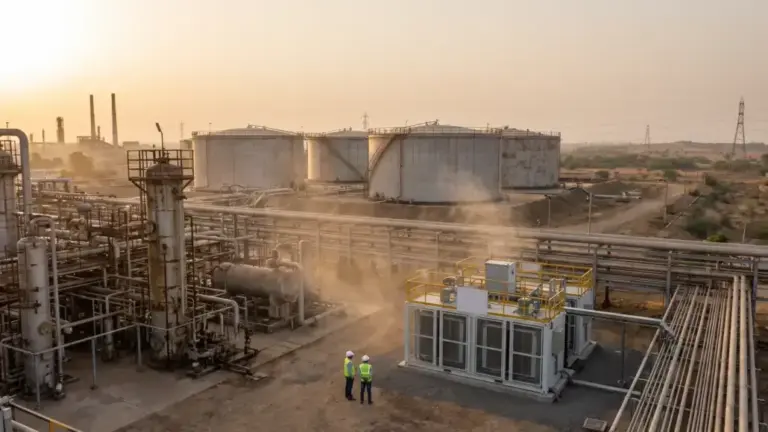
The industrial landscape of the Indian subcontinent is undergoing a profound transformation as hydrogen demand in India begins to scale across a diverse range of sectors. For decades, industries like petroleum refining and fertilizer production have been the primary consumers of grey hydrogen, produced from carbon-intensive fossil fuels. However, the global push for decarbonization and India’s commitment to net-zero emissions by 2070 have fundamentally altered the demand profile. We are now seeing a strategic shift toward green hydrogen, not just as a replacement for current industrial feedstocks but as a new energy carrier for sectors that have traditionally been impossible to electrify. From the towering blast furnaces of steel mills to the vast chemical complexes and the heavy-duty transport corridors, the appetite for clean hydrogen is reaching a tipping point, creating a massive domestic market that is essential for the nation’s environmental and economic resilience.
Decarbonizing the Steel Industry: The Shift to Green Steel
One of the most significant drivers of hydrogen demand in India is the primary steel sector. India is one of the world’s largest steel producers, and the industry currently relies heavily on coking coal for the reduction of iron ore, a process that releases massive amounts of carbon dioxide. The transition toward “Green Steel” involves replacing coal with hydrogen in the Direct Reduced Iron (DRI) process. This shift represents a monumental opportunity to eliminate a major source of industrial emissions. As global buyers increasingly demand low-carbon materials, Indian steelmakers are accelerating their hydrogen adoption to maintain their competitive edge in international markets. This industrial demand is expected to be a cornerstone of the hydrogen economy, requiring gigawatt-scale production facilities to meet the needs of massive integrated steel plants across the country.
The Role of Refineries as Early Adopters
The petroleum refining sector is currently the largest consumer of hydrogen, and it is also the sector where hydrogen demand in India is seeing the most immediate transition to green sources. Refineries use hydrogen for desulfurization and hydrocracking to produce cleaner liquid fuels. By replacing the currently used grey hydrogen with green hydrogen, refineries can significantly lower their operational carbon footprint without changing their core processes. Many of India’s state-owned and private refineries have already announced plans to install multi-megawatt electrolysers to meet their internal demand. This “captive consumption” model provides a stable and predictable demand signal that is vital for the early-stage development of the green hydrogen market, allowing developers to scale their production with the certainty of a guaranteed buyer.
Revolutionizing the Chemical and Fertilizer Sectors
The chemical and fertilizer industries are also key contributors to the rising hydrogen demand in India. Hydrogen is the primary feedstock for ammonia synthesis, which is the foundation of nitrogenous fertilizers. As a nation with a vast agricultural sector, India’s demand for ammonia is consistently high. Transitioning to green ammonia not only helps in decarbonizing the agricultural supply chain but also reduces the nation’s reliance on imported natural gas. Furthermore, the chemical industry is exploring the use of green hydrogen in the production of methanol and other high-value chemicals. This diversification of demand across the chemical value chain ensures that the hydrogen economy has a broad and resilient base, with multiple pathways for growth and innovation in sustainable chemical manufacturing.
Expanding Hydrogen Demand in Heavy-Duty Mobility and Shipping
Beyond the traditional industrial sectors, hydrogen demand in India is poised for explosive growth in the heavy-duty mobility and maritime sectors. While battery electric vehicles (BEVs) are suitable for light passenger cars, they face significant weight and range limitations in long-haul trucking and shipping. Hydrogen fuel cell electric vehicles (FCEVs) offer a viable solution for decarbonizing the transport of goods across India’s vast highway network. Similarly, the shipping industry is looking toward hydrogen and ammonia as a way to meet international emission standards. Developing a network of hydrogen refuelling stations and bunkering facilities will unlock this new segment of demand, creating a dynamic market where hydrogen serves as a vital energy source for the nation’s logistics and trade sectors.
Power Generation and Long-Duration Energy Storage
As India continues to add massive amounts of renewable energy to its grid, the need for long-duration storage is becoming increasingly critical. Hydrogen demand in India is starting to include its use as a storage medium for surplus solar and wind power. During periods of peak generation, excess electricity can be used to produce hydrogen, which is then stored and used to generate power through fuel cells or hydrogen-blended turbines during periods of low renewable output. This “Power-to-Gas-to-Power” cycle helps in balancing the grid and ensures a reliable supply of clean energy twenty-four-seven. This emerging demand segment highlights hydrogen’s role not just as a fuel or feedstock, but as a critical infrastructure component for a resilient and sustainable national power grid.
Financial Risk Mitigation for Industrial Hydrogen Users
For many industrial entities, the most daunting aspect of the growing hydrogen demand in India is the financial risk associated with price volatility and high capital expenditure. To address this, the market is seeing the emergence of innovative financial instruments such as “contracts-for-difference” (CfDs) and green hydrogen purchase agreements (GHPAs). These tools allow industrial users to lock in a long-term price for hydrogen, providing the stability needed to make large-scale retrofitting decisions. Furthermore, the integration of hydrogen projects into the broader sustainable finance market utilizing green bonds and low-interest transition loans is helping industries manage the upfront costs of new equipment. By mitigating these financial barriers, India can accelerate the pace of adoption, ensuring that the industrial demand for clean hydrogen is not just an aspiration but a commercially viable reality that supports long-term growth and competitiveness.
Integrating Hydrogen Demand with Renewable Grid Balancing
An emerging trend in the management of hydrogen demand in India is its integration with the national renewable energy grid. Large-scale industrial consumers are increasingly looking at hydrogen production not just as a fuel source but as a way to balance their own energy consumption. During periods of surplus solar or wind generation, these industries can use the excess power to produce and store hydrogen, which can then be used as a backup fuel or feedstock during periods of low renewable output. This “demand-side management” helps in reducing the overall energy costs for the industry and improves the stability of the national grid. This dual role of hydrogen as both a feedstock and a grid stabilizer is a key factor in driving demand, as it provides multiple layers of economic and operational value to industrial users across the country.
Building Technical Capability and Safety Standards
The adoption of hydrogen across diverse industries requires a high level of technical capability and a rigorous commitment to safety. Hydrogen is a highly diffusive gas with unique properties that require specialized handling and storage protocols. Industries must invest in training their workforce to manage hydrogen-based processes safely and efficiently. Furthermore, the development of national standards for equipment and operations is essential for building confidence among industrial users. By ensuring that every step of the transition is backed by robust engineering and safety standards, the industry can avoid accidents and build the public and regulatory trust needed for long-term growth. This focus on technical excellence is a non-negotiable requirement for the sustainable and safe expansion of hydrogen demand across all industrial corridors in India.
Future Outlook: A New Era of Industrial Growth
The future of hydrogen demand in India is one of continuous expansion and diversification. As the technology matures and the cost of production falls, we will see green hydrogen permeate even more sectors of the economy, from cement manufacturing to decentralized heating and cooling. This transition is not just about replacing one fuel with another; it is about reinventing the very foundation of industrial growth in the 21st century. The lessons learned in the current phase of adoption will provide the blueprint for a future where economic prosperity and environmental stewardship are inextricably linked. By embracing hydrogen, India’s industries are not only securing their own future but are also leading the nation toward a cleaner, more resilient, and energy-independent tomorrow, ensuring that the industrial engine of the country is powered by the most sustainable and efficient energy carrier available to modern science.
The Role of Public-Private Partnerships in Scaling Demand
The accelerated growth of hydrogen demand in India is increasingly dependent on the success of public-private partnerships (PPPs) that bridge the gap between policy intent and industrial execution. These collaborations allow for the sharing of technical risks and the pooling of capital for large-scale infrastructure projects like dedicated pipelines and industrial clusters. By working together, the government and the private sector can develop standardized protocols for hydrogen safety and operational excellence, building the confidence needed for wider industrial adoption. These partnerships are particularly vital for the “Hydrogen Valley” initiatives, where integrated ecosystems of production and consumption are being developed. This collaborative model ensures that the transition to green hydrogen is not just a series of isolated projects but a coordinated national effort that drives a sustainable and resilient industrial revolution for all.
Enhancing Global Competitiveness through Sustainable Industrialization
Ultimately, the surge in hydrogen demand in India is a strategic move to enhance the nation’s global competitiveness in an era where sustainability is a primary business requirement. By decarbonizing its industrial engine, India is ensuring that its products whether steel, chemicals, or refined fuels meet the highest international environmental standards. This commitment to sustainable industrialization allows Indian firms to access premium markets and attract global investment that is increasingly focused on ESG performance. The transition to hydrogen is thus not just an environmental obligation but a powerful driver for economic modernization and brand value. By leading the way in industrial decarbonization, India is positioning itself as a global leader in the green economy, ensuring long-term prosperity and environmental stewardship for its citizens and the world.