
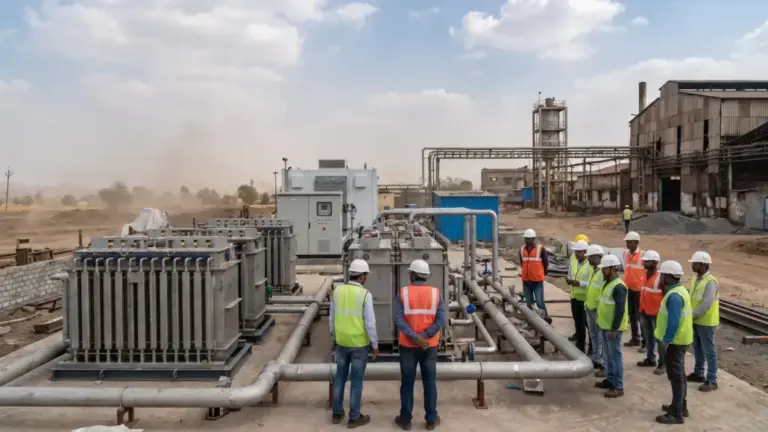
The global race to dominate the clean energy sector has placed a significant spotlight on the hydrogen supply chain in India, revealing both immense opportunities and critical vulnerabilities. As India embarks on its journey to become a global hub for green hydrogen production, the realization is setting in that a robust industry cannot be built on imported technology alone. To truly secure its energy future and achieve the goals of the National Green Hydrogen Mission, India must prioritize the localization of its entire manufacturing ecosystem. This transition involves not just the assembly of electrolysers but the deep-rooted manufacturing of every component from specialized membranes and electrodes to high-pressure storage tanks and sophisticated transport systems. By fostering a domestic manufacturing base, India can reduce capital expenditures, mitigate the risks of global supply chain disruptions, and create a sustainable economic engine that generates high-skilled employment while decarbonizing its industrial footprint.
The Strategic Importance of Localizing Electrolyser Production
At the core of the hydrogen supply chain in India is the electrolyser, the primary equipment responsible for splitting water into its elemental components using renewable electricity. Currently, a significant portion of electrolyser technology and its core components are sourced from international markets, which exposes Indian projects to currency fluctuations and geopolitical uncertainties. The government’s Production Linked Incentive (PLI) scheme for electrolyser manufacturing is a strategic move to counter this reliance. By incentivizing domestic production, the scheme encourages both Indian conglomerates and global technology leaders to set up manufacturing facilities within the country. This localization is essential for driving down the “soft costs” of projects, such as shipping and import duties, and ensuring that the specific technical needs of the Indian climate and grid are met through locally optimized designs.
Securing Raw Materials and Mineral Supply Chains
A truly resilient hydrogen supply chain in India requires more than just factories it demands secure access to the raw materials and minerals that go into advanced clean energy technologies. Many electrolyser types, particularly Proton Exchange Membrane (PEM) units, rely on precious metals like iridium and platinum. Similarly, advanced storage solutions may require specialized carbon fibers and high-strength alloys. India must develop a strategic approach to mineral security, which includes both domestic exploration and international partnerships to secure a steady supply of these critical inputs. Furthermore, investing in research to find alternative, earth-abundant materials for electrodes and catalysts can provide a long-term competitive advantage, insulating the domestic supply chain from the price volatility of the global commodities market.
Expanding the Ancillary Equipment Manufacturing Base
While electrolysers are the most visible part of the hydrogen supply chain in India, the success of the industry also depends on a vast array of ancillary equipment. This includes high-efficiency compressors, precision valves, sensors for leak detection, and advanced power electronics that manage the flow of energy from renewable sources to the electrolyser. Currently, many of these precision components are imported, adding to the overall project cost and lead times. Encouraging small and medium enterprises (SMEs) to specialize in these niche areas is vital for creating a comprehensive ecosystem. By providing technical support and quality certification frameworks, India can build a secondary manufacturing tier that supports the primary energy developers, ensuring that every link in the supply chain is strong and domestically sourced.
Overcoming Challenges in Hydrogen Storage and Transport
One of the most complex segments of the hydrogen supply chain in India is the storage and transportation of the gas. Hydrogen’s low energy density by volume means it must be either highly compressed or liquefied, both of which require specialized equipment and materials. Local manufacturing of high-pressure composite tanks and cryogenic storage vessels is essential for the growth of the heavy-duty transport and shipping sectors. Additionally, the development of dedicated hydrogen pipelines will require the production of specialty steel and coatings that prevent hydrogen embrittlement. By investing in these technologies today, India can avoid the logistical bottlenecks that often plague emerging energy sectors, ensuring that hydrogen can be moved efficiently from production hubs to industrial consumers across the country.
The Role of Research, Development, and a Skilled Workforce
The evolution of a domestic hydrogen supply chain in India is inextricably linked to the country’s capacity for innovation and the availability of a trained workforce. Local manufacturing is not just about building factories it is about creating an environment where new technologies can be tested and refined. Collaborative R&D efforts between academia, government labs, and private industry are needed to improve electrolyser efficiency and develop new storage mediums like liquid organic hydrogen carriers (LOHC). Simultaneously, the industry requires a new generation of engineers, technicians, and safety experts who are well-versed in the unique properties of hydrogen. Vocational training programs and specialized university courses will be the foundation upon which this new industrial sector is built, ensuring that India remains at the cutting edge of the global energy transition.
Developing Local Standards and Certification Bodies
For a localized hydrogen supply chain in India to gain global credibility, it must be supported by a robust framework of standards and certification. Currently, many Indian manufacturers follow international guidelines, which may not always account for the specific operational environments found within the country. Establishing domestic certification bodies that can rigorously test and validate the safety and efficiency of locally made components is crucial. This not only builds trust among domestic project developers but also opens doors for Indian products in international markets. By setting high-quality benchmarks for everything from electrolyser durability to pipeline integrity, India can ensure that its manufacturing base is synonymous with reliability and excellence, further strengthening the overall supply chain.
Leveraging Industrial Clusters for Supply Chain Synergy
The localization of the hydrogen supply chain in India can be accelerated by leveraging existing industrial clusters and special economic zones (SEZs). By concentrating electrolyser plants, component manufacturers, and raw material processing units in close proximity, the industry can benefit from shared logistics, a common talent pool, and reduced overhead costs. These clusters can also facilitate better collaboration between large-scale manufacturers and their SME suppliers, fostering a more integrated and responsive ecosystem. Regional centers in states like Gujarat and Tamil Nadu, which already have strong manufacturing and port infrastructure, are ideally suited to become global hubs for hydrogen technology, driving the nation’s ambitions through localized industrial strength.
Intellectual Property and Technology Transfer Strategies
A critical aspect of building a domestic hydrogen supply chain in India is the management of intellectual property (IP) and the facilitation of technology transfer. While initial projects may rely on licensed technology from abroad, the long-term goal should be to develop indigenous IP. This requires strategic agreements that allow for the co-development of technology and the eventual phasing out of royalty-dependent models. Encouraging foreign technology leaders to set up R&D centers in India, alongside their manufacturing units, can facilitate a deeper transfer of knowledge. By protecting and incentivizing local innovation, India can move from being a technology adopter to a technology leader, ensuring that its supply chain is not just a copy of global models but a unique and superior domestic creation.
Building Resilience Against Global Supply Disruptions
In an era of increasing geopolitical uncertainty, a localized hydrogen supply chain in India serves as a vital safeguard against global supply disruptions. Over-reliance on a few dominant global suppliers for critical components like membranes or specialized sensors can lead to project delays and cost escalations. By diversifying the source of components and prioritizing domestic production, India can insulate its clean energy transition from external shocks. This resilience is essential for maintaining the momentum of the National Green Hydrogen Mission, ensuring that the country’s energy security is not compromised by factors beyond its control. A self-reliant supply chain is, therefore, not just an economic objective but a strategic imperative for a sovereign and sustainable energy future.
Recycling and Circular Economy in Hydrogen Manufacturing
As the hydrogen supply chain in India matures, the industry must also focus on the long-term sustainability of its manufacturing processes through a circular economy approach. This involves designing electrolysers and storage systems with the end-of-life in mind, ensuring that critical materials like iridium, platinum, and specialized alloys can be recovered and recycled. Developing a domestic recycling infrastructure for these clean energy technologies is essential for reducing the long-term reliance on virgin mineral imports. By creating a closed-loop system, India can minimize the environmental impact of its manufacturing base and further lower the lifetime costs of hydrogen production. This focus on circularity is not just an environmental imperative but a strategic business move that enhances the overall resilience and efficiency of the supply chain, positioning India as a leader in sustainable industrial practices for the global energy transition.
Conclusion: A Legacy of Industrial Self-Reliance
The transformation of the hydrogen supply chain in India through local manufacturing is a defining moment for the nation’s industrial history. It represents a shift away from a model of consumption to one of creation, where the tools for a cleaner future are built right here at home. While the journey involves significant technological and financial challenges, the rewards in terms of energy security, economic growth, and environmental leadership are far greater. As the first locally made electrolysers roll off the production lines and the first domestic storage systems are deployed, they will stand as a testament to India’s vision and capability. The strength of this supply chain will ultimately determine the success of the country’s green hydrogen ambitions, ensuring that India not only meets its own energy needs but also contributes to a more sustainable and carbon-neutral world for all, leaving a lasting legacy of self-reliance and innovation.