
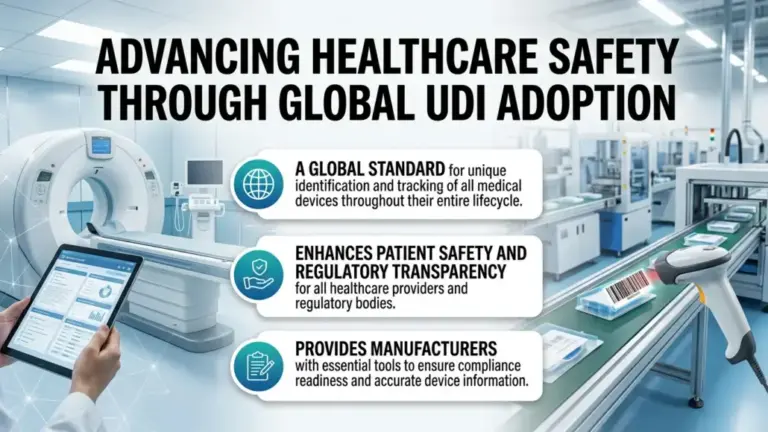
The global healthcare environment has seen a significant shift toward standardized identification for medical devices, driven by the need for improved patient safety and regulatory transparency. The Unique Device Identification (UDI) system provides a consistent framework for identifying and tracking devices throughout their entire lifecycle. By assigning a unique numeric or alphanumeric code to every medical product, manufacturers and healthcare providers can ensure that essential information, such as the device’s model number, batch number, and expiration date, is easily accessible. For hospitals, the implementation of these standards is a fundamental requirement for maintaining long-term compliance readiness in an increasingly regulated environment.
A primary benefit of the UDI system is the ability to rapidly identify and locate specific devices during a product recall. In the past, identifying which patients had received a recalled implant or which departments were using a faulty piece of equipment was a slow and error-prone process. With standardized identification, hospital staff can scan the UDI code and immediately access the necessary data to take corrective action. This speed and accuracy are critical for protecting patients and minimizing the impact of medical device failures. The resulting transparency also improves the institution’s ability to demonstrate compliance with national and international regulatory standards.
Additionally, the adoption of UDI standards facilitates more effective management of medical device inventory. By providing a clear and accurate record of every item in stock, hospitals can reduce the risk of over-ordering and minimize the volume of expired or obsolete products. This granular control over the inventory lifecycle is essential for maintaining the financial health of the organization while ensuring that clinicians have access to the highest quality tools for patient care. The integration of UDI data into the hospital’s digital infrastructure is a key step toward achieving a more efficient and transparent supply chain.
Integrating UDI Data into Clinical Workflows and Electronic Records
The successful implementation of UDI standards depends on the seamless integration of device data into the hospital’s clinical and administrative systems. When a medical device is used in a procedure, the UDI code should be scanned and automatically recorded in the patient’s electronic health record (EHR). This automated documentation ensures that the patient’s medical history includes a precise and permanent record of every device they have received. This level of detail is invaluable for long-term clinical monitoring and for identifying potential correlations between specific devices and patient outcomes.
Additionally, the integration of UDI data into the EHR improves the efficiency of clinical workflows by reducing the need for manual data entry.
Nurses and surgical technicians can spend more time focusing on patient care rather than filling out complex documentation forms. This optimization of clinical time is a primary benefit of digital transformation in healthcare. By establishing clear protocols for UDI scanning and documentation, hospitals can ensure that their transformation initiatives lead to real-world improvements in efficiency and safety. This work aligns closely with the goals of digital process governance improving hospital transformation at scale, ensuring that technological advancements are supported by structured oversight.
- Automated UDI scanning at the point of care improves documentation accuracy by over ninety percent.
- Centralized device registries provide clinicians with real-time access to safety and performance data.
- Integration with billing systems ensures that medical devices are accurately captured for reimbursement.
- Automated alerts for expiring devices prevent the use of obsolete products in clinical procedures.
The use of UDI data also supports more effective post-market surveillance for medical devices. By aggregating data from thousands of patient interactions, healthcare organizations and regulatory agencies can identify potential safety concerns more quickly. This large-scale monitoring is essential for identifying rare or long-term complications that might not be apparent during clinical trials. By contributing to this global data ecosystem, hospitals play a vital role in improving the safety and effectiveness of medical technology for all patients.
Enhancing Patient Safety and Outcomes Through Standardized Documentation
At its core, the primary objective of the UDI system is to enhance the safety and quality of patient care. By providing a clear and accurate record of every medical device used in a clinical setting, healthcare providers can ensure that patients receive the most appropriate treatments. This level of precision is particularly important for high-risk devices, such as cardiac pacemakers and joint replacements, where the consequences of failure can be severe. By prioritizing compliance readiness, hospitals are directly investing in the long-term well-being of their patients.
Standardized documentation also improves the transparency of the patient’s journey, making it easier for different healthcare providers to collaborate effectively. When a patient is transferred between facilities, the inclusion of UDI data in their medical records ensures that the new clinical team has complete information about their medical devices. This continuity of care is essential for maintaining safety and ensuring the best possible health outcomes. The resulting clarity and consistency are hallmarks of a high-performing healthcare organization that prioritizes patient-centered care.
Additionally, the insights gained from UDI data can be used to inform clinical decision-making and improve treatment protocols. By analyzing the performance of different devices across a large patient group, hospitals can identify the products that lead to the best results. This focus on value-based care ensures that the institution is sourcing the most effective medical technology for its patients. The resulting improvement in care quality is a powerful justification for the investment in advanced device tracking systems and the commitment to maintaining a high state of readiness for regulatory audits.
Managing Regulatory Compliance and Organizational Readiness
Maintaining compliance with evolving regulatory standards is a major challenge for modern healthcare organizations. The requirements for medical device tracking and documentation are becoming increasingly stringent, and hospitals must be prepared to demonstrate their adherence to these rules. The UDI system provides the necessary framework for meeting these requirements and ensuring that the organization remains in good standing with regulatory agencies. By establishing clear protocols for UDI implementation, hospital leadership can minimize the risk of fines, legal complications, and damage to the institution’s reputation.
Organizational readiness involves more than just technical implementation; it requires a commitment to staff training and cultural change. Clinicians and administrative staff must understand the value of the UDI system and be proficient in its use. This requires a comprehensive education strategy and ongoing support from clinical advocates and IT professionals. By involving staff at all levels of the organization in the implementation process, leadership can build a shared vision for the future and ensure that the new systems are embraced by the entire organization.
The security and integrity of the data collected through the UDI system must also be a top priority. As more devices become connected to the hospital network, the risk of cyberattacks and data breaches increases. Hospitals must implement strong security protocols, including encryption and comprehensive access controls to protect sensitive patient information and comply with regulatory standards. Continuous monitoring and regular audits are necessary to ensure that the system remains secure and functional over the long term. By prioritizing data security, healthcare organizations can utilize the benefits of standardized tracking without compromising the safety of their digital infrastructure.
Future Innovations in Medical Device Tracking and Regulatory Oversight
As the healthcare industry continues to evolve, new technologies are emerging that will further enhance medical device safety and tracking. The use of advanced analytics and machine learning to identify patterns in device performance will provide clinicians with even more sophisticated tools for patient care. These technologies will allow for more proactive monitoring and early intervention, potentially preventing complications before they occur. The UDI system will provide the foundational data for these advanced analytical tools, ensuring that they are based on accurate and reliable information.
The move toward more personalized medicine will also impact how medical devices are tracked and managed. 3D-printed implants and other custom medical products will require even more precise identification and documentation protocols. The UDI framework is designed to be adaptable, ensuring that it remains relevant as new medical technologies emerge. By embracing these innovations, healthcare organizations can continue to improve the quality and safety of the care they provide to every patient.
In addition to technical advancements, the focus on international harmonization will continue to drive improvements in medical device tracking. As more countries adopt standardized identification systems, the global data ecosystem for medical devices will become more comprehensive and effective. This international collaboration is essential for addressing safety concerns that transcend national borders and for ensuring that patients everywhere benefit from the highest standards of medical technology. The journey toward improved compliance readiness and patient safety is an ongoing process that requires a relentless focus on innovation, collaboration, and clinical excellence. By embracing new technologies and fostering a culture of safety, hospitals can ensure that they are providing the highest standard of care in an increasingly complex and demanding global environment. The strength of the UDI implementation will remain a defining characteristic of successful healthcare organizations, supporting clinical teams and protecting patients for years to come.