
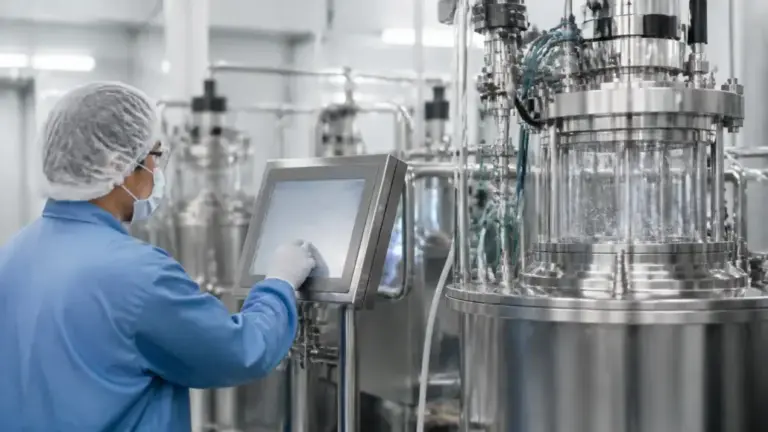
The global biopharmaceutical industry is currently facing a critical inflection point. With trillions of dollars in healthcare spending linked to innovative biologics, the need for high-quality, lower-cost alternatives has never been more urgent. Biosimilar manufacturing is the engine driving this transition, leveraging a new generation of bioprocessing technologies to replicate the safety and efficacy of blockbuster drugs at a fraction of the cost. By moving away from legacy, large-scale stainless-steel infrastructure and toward intensified, continuous, and automated production systems, the industry is fundamentally altering the economics of biologic drug development. For manufacturers, the goal is clear: to achieve comparability by design while drastically reducing the cost of goods sold (COGS) to thrive in a market defined by aggressive price erosion.
Pharma Advancement notes that the cornerstone of modern biosimilar manufacturing is the strategic shift toward process intensification. In the past, biologics were produced in massive, multi-story stainless-steel bioreactors that required years of capital-intensive construction and exhaustive cleaning and steaming validation. Today, the industry is rapidly embracing single-use technology (SUT). By utilizing pre-sterilized, disposable bioreactors and manifold systems, manufacturers can reduce their initial capital expenditure (CAPEX) by as much as 40% to 50%. SUT also allows for unparalleled operational agility, as the time needed to pivot between different biosimilar products is reduced from weeks to mere days, eliminating the need for expensive clean-in-place (CIP) and steam-in-place (SIP) cycles and reducing water and energy consumption.
Continuous Bioprocessing and High-Density Cell Culture
A significant breakthrough in biosimilar manufacturing is the move from traditional fed-batch systems to continuous bioprocessing. In a continuous setup, the cell culture media is constantly refreshed through a perfusion system, such as Alternating Tangential Flow (ATF) or Tangential Flow Filtration (TFF) cell retention. This allows for much higher cell densities—often exceeding 100 million cells per milliliter—which leads to a massive increase in volumetric productivity. A 500-liter perfusion bioreactor can now produce the same amount of drug substance as a 5,000-liter fed-batch tank, significantly shrinking the physical footprint and utility costs of the facility. This intensification is essential for making biosimilar production economically viable in both developed and emerging markets.
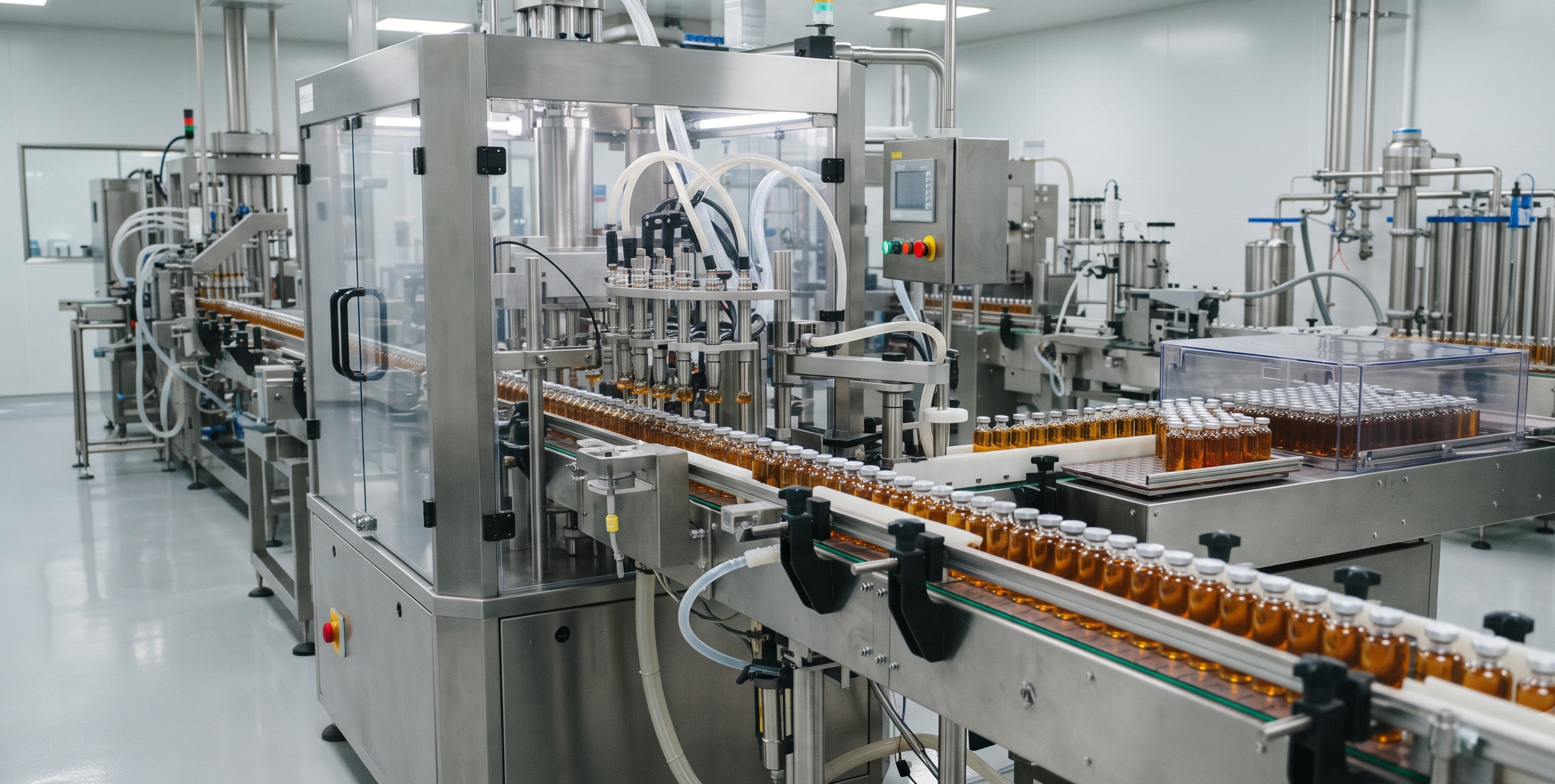
Furthermore, continuous bioprocessing extends into the downstream purification stages, which have historically been the biggest bottleneck in biologic production. Technologies like Multi-Column Chromatography (MCC) and Periodic Counter-Current (PCC) systems allow for the continuous capture of the target protein, maximizing the utilization of expensive Protein A affinity resins. By automating the transition between columns, manufacturers can reduce buffer consumption by up to 50% and achieve a more consistent and high-purity product profile. This end-to-end continuous approach is a primary driver in reducing the operational expenditure (OPEX) of biosimilar manufacturing, allowing companies to compete effectively even as market prices drop by 70% or more.
Quality by Design and Process Analytical Technology (PAT)
For biosimilar manufacturing to be successful, the final product must match the subtle micro-heterogeneity of the reference biologic. This requires a level of process control that was previously impossible to achieve with manual interventions. The integration of Process Analytical Technology (PAT) allows for the real-time, non-destructive monitoring of critical quality attributes (CQAs), such as N-glycosylation patterns, charge variants, and aggregation levels. Using in-line Raman spectroscopy, near-infrared (NIR) sensors, and automated liquid chromatography, manufacturers can track nutrient levels and product quality directly inside the bioreactor. If the system detects a drift away from the target fingerprint of the reference biologic, automated feedback loops can adjust the feed strategy, pH, or temperature in real-time to bring the batch back into compliance.
This Quality by Design (QbD) approach is not just about ensuring regulatory success; it is a powerful tool for cost reduction. By minimizing the number of failed or off-spec batches and reducing the need for extensive post-production analytical testing, QbD significantly lowers the overall cost of biosimilar development. Furthermore, the ability to generate a highly consistent and well-characterized product reduces the regulatory risk, as agencies like the FDA and EMA are increasingly willing to streamline the approval process and waive comparative clinical efficacy studies for biosimilars that demonstrate robust and reproducible analytical comparability through these advanced bioprocessing controls.
Single-Use Systems and Modular Facility Design
The flexibility of biosimilar manufacturing is further enhanced by modular facility design. Instead of building one massive plant, manufacturers are constructing ballroom-style facilities where self-contained, single-use modules can be added or removed as demand changes. This allows for a scale-out rather than scale-up strategy, where capacity is increased by adding more 2,000-liter SUBs (Single-Use Bioreactors) rather than moving to a larger, unproven tank size. This approach significantly reduces the technical risk associated with scale-up and ensures that the biosimilar product remains comparable across different manufacturing scales.
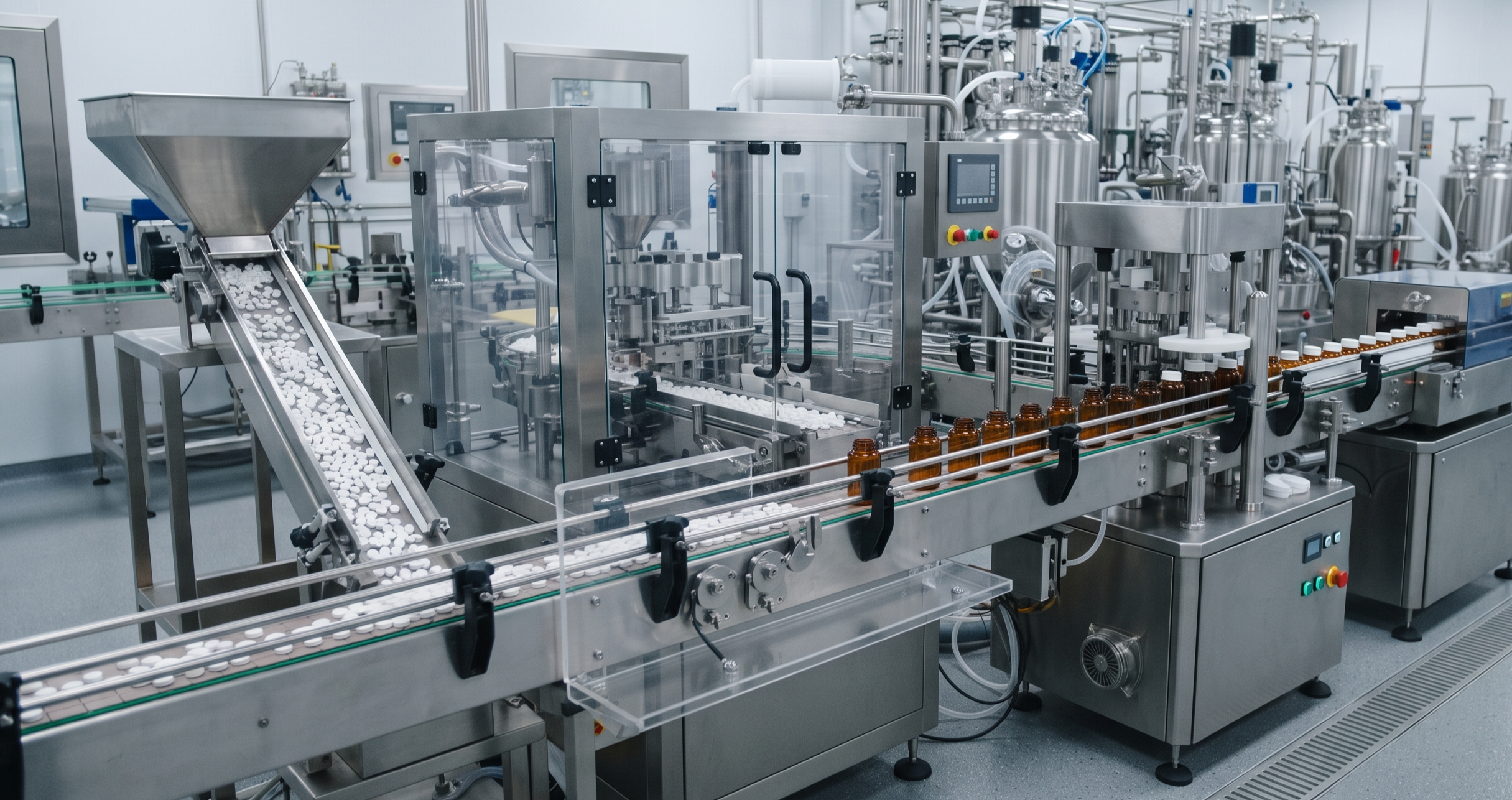
Modular facilities also facilitate the regionalization of the supply chain, a key trend in building resilient biosimilar networks. By deploying these flexible, low-CAPEX plants closer to regional markets, pharmaceutical companies can bypass the logistical risks and tariffs associated with global distribution. This localized manufacturing model is supported by the standardized nature of single-use systems, which ensures that a biosimilar produced in a modular plant in Asia is analytically identical to one produced in a similar facility in Europe. This interoperability is essential for maintaining a stable global supply of affordable biologics.
AI-Driven Optimization and the Digital Twin Advantage
The future of biosimilar manufacturing is inextricably linked to digitalization and the use of Industrial AI. AI-driven digital twins are now being used to model the entire bioprocess, from the genetic engineering of the CHO cell line to the final sterile filtration and filling stages. By simulating millions of different operating conditions in a high-fidelity virtual environment, engineers can identify the optimal process parameters for a new biosimilar in weeks rather than the months or years required by traditional lab-based experimentation. These AI models can also predict the impact of raw material variability on the final product quality, allowing for proactive adjustments that ensure batch-to-batch consistency.
Moreover, the use of AI in biosimilar manufacturing facilitates the move toward real-time release testing (RTRT). If a process is sufficiently understood and monitored through advanced PAT, regulators may allow the drug to be released based on the real-time process data itself rather than waiting for weeks of traditional quality control testing. This dramatically reduces the lead time in the supply chain, lowering inventory costs and ensuring that patients receive their life-saving treatments without delay. As the global biosimilar market continues to mature and expand, those who lead in the adoption of these digital, intensified, and automated technologies will be the ones who set the global standard for high-quality, affordable biopharmaceuticals.
Strategic Imperatives for Bioprocessing Efficiency
The success of the global biosimilar sector depends on its ability to compete on price while maintaining the highest standards of quality and safety. For manufacturers, the path forward requires a relentless focus on technological innovation and the integration of digital intelligence into the core of their operations.
Biosimilar manufacturing is undergoing a technical and economic revolution that is fundamentally cutting the costs of biologic development. Pharma Advancement believes that by integrating single-use technology, continuous bioprocessing, and PAT-driven digital controls, the industry is overcoming the historical barriers of high CAPEX and operational complexity. The transition toward intensified and automated systems is not just an economic necessity. It is the essential requirement for expanding global access to complex targeted therapies and ensuring the long-term sustainability of national healthcare systems.
To achieve long-term success in this competitive landscape, stakeholders must prioritize the modernization of their manufacturing networks and the development of a digital-first bioprocessing strategy. The ability to leverage AI-driven digital twins, real-time monitoring, and modular facility designs will be the defining competitive advantage in a market characterized by aggressive price erosion and tightening regulatory standards for analytical similarity. By investing in these advanced bioprocessing technologies today, the pharmaceutical industry can ensure a more resilient, efficient, and sustainable future for patients and healthcare providers worldwide.
The democratization of biologics through advanced manufacturing is one of the most significant public health achievements of the decade. By bringing down the costs of production, we are ensuring that the most advanced medical treatments are no longer reserved for the wealthiest nations, but are available to every patient who needs them. This commitment to bioprocessing excellence and cost-efficiency is the hallmark of a modern pharmaceutical industry that prioritizes health equity and operational sustainability, paving the way for a new era of global medical care.