
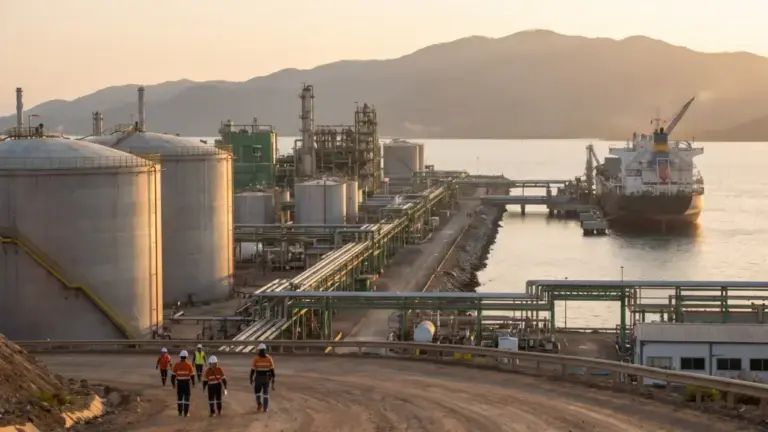
The industrial landscape of the 21st century is being reshaped by the rise of green ammonia hydrogen derivatives, which have emerged as the primary catalysts for the transition toward a carbon-neutral economy. While green hydrogen itself is a powerful energy carrier, its derivatives specifically ammonia, methanol, and sustainable aviation fuels provide the practical solutions needed to store, transport, and utilize clean energy across diverse global sectors. In India, the development of these derivatives is not just a technological curiosity but a strategic economic imperative. As one of the world’s largest producers of fertilizers and a major player in the global chemical industry, India is uniquely positioned to lead the market for green ammonia. By leveraging these versatile compounds, the nation is driving market growth, decarbonizing its agricultural supply chains, and establishing itself as a central hub for the international trade of sustainable fuels.
The Strategic Importance of Green Ammonia in Modern Industry
Green ammonia is currently the most significant derivative in the hydrogen ecosystem, and its role in the Indian market cannot be overstated. Traditionally, ammonia has been produced using natural gas through the carbon-intensive Haber-Bosch process, serving as a critical feedstock for nitrogenous fertilizers. The shift toward green ammonia hydrogen involves using green hydrogen as the primary input, effectively eliminating the carbon footprint of fertilizer production. For India, this transition is vital for achieving food security and environmental sustainability simultaneously. By producing green ammonia domestically, the country can reduce its heavy reliance on imported natural gas, stabilizing agricultural costs and protecting the national economy from the volatility of international energy prices. This internal demand provides a massive and reliable foundation for the growth of the green ammonia market.
Expanding into Hydrogen Derivatives: Methanol and Sustainable Fuels
Beyond ammonia, the broader category of green ammonia hydrogen derivatives includes promising fuels like green methanol and sustainable aviation fuel (SAF). Green methanol, produced by combining green hydrogen with captured carbon dioxide, serves as a versatile chemical building block and a potential fuel for the shipping industry. Similarly, the development of SAF is becoming increasingly important as the aviation sector looks to meet stringent international emission standards. For India, investing in these derivatives represents an opportunity to diversify its industrial output and capture a larger share of the global clean energy market. These products offer higher energy density and easier handling compared to pure hydrogen, making them the preferred choice for sectors that require long-duration storage and long-distance transport.
Decarbonizing the Maritime and Shipping Sector
One of the most exciting growth areas for green ammonia hydrogen derivatives is the maritime industry. As the International Maritime Organization (IMO) sets more aggressive targets for reducing greenhouse gas emissions from ships, the search for carbon-neutral fuels has intensified. Ammonia is emerging as a frontrunner due to its existing global logistics infrastructure and its ability to be used in modified internal combustion engines or fuel cells. India, with its extensive coastline and major ports, is strategically positioned to become a global hub for ammonia bunkering. By providing clean fuels to international shipping fleets, India can drive significant market growth and attract global investment into its port infrastructure, further integrating itself into the worldwide energy trade and maritime logistics network.
The Role of Exports in Scaling the Market for Derivatives
The growth of green ammonia hydrogen derivatives in India is also being fueled by the massive potential for international exports. Countries in Europe and East Asia, which have high industrial energy needs but limited land for renewable generation, are increasingly looking to import green fuels. India’s ability to produce these derivatives at scale and at a competitive cost makes it an ideal partner for these energy-deficit nations. The export market for green ammonia is expected to be even larger than the market for pure hydrogen in the near term, given the ease of transport. By securing long-term export contracts, Indian developers can improve the financial viability of their projects and drive the economies of scale needed to bring down costs for the domestic market as well.
Technological Innovation in Synthesis and Catalysis
To maintain its leadership in the market for green ammonia hydrogen derivatives, India must focus on continuous technological innovation. This involves developing more efficient catalysts for ammonia synthesis and improving the processes for capturing and utilizing carbon dioxide in methanol production. Collaborative research between Indian scientific institutions and the private sector is focusing on lowering the energy intensity of these conversion processes. Furthermore, advancements in small-scale, modular synthesis plants are being explored to allow for decentralized production near renewable energy sources or industrial consumers. These technological breakthroughs are essential for ensuring that Indian derivatives remain cost-competitive and meet the highest quality standards demanded by the global market.
The Role of Digital Tracking in Derivative Certification
As the market for green ammonia hydrogen derivatives grows, the need for transparent and verifiable certification is becoming increasingly critical. Global buyers are demanding precise data on the “carbon intensity” of every ton of ammonia or methanol they purchase. To meet this demand, the Indian industry is adopting blockchain-based tracking systems and digital certificates of origin. These tools provide a tamper-proof record of the energy used in production, the efficiency of the conversion process, and the carbon footprint of the entire supply chain. This digital layer of trust is essential for securing premium prices in the international market and for complying with the evolving regulations in importing nations. By building a reputation for data integrity, India can ensure that its derivatives are viewed as high-quality, sustainable products that contribute directly to the global goals of decarbonization and climate resilience.
Developing Strategic Reserves for Energy and Agricultural Security
Beyond their role in trade, green ammonia hydrogen derivatives offer India a unique opportunity to build strategic energy and agricultural reserves. Unlike pure hydrogen, ammonia can be stored in large quantities for long periods without significant losses. By building a national network of ammonia storage hubs, the government can create a buffer against global supply chain disruptions and seasonal fluctuations in fertilizer demand. This strategic reserve not only enhances the nation’s agricultural resilience but also provides a stable source of clean fuel for emergency power generation. This dual-purpose use of derivatives as both a trade commodity and a strategic asset adds another layer of value to the green hydrogen economy, reinforcing the national commitment to a secure and sustainable future that is insulated from the uncertainties of the global fossil fuel market.
Policy Frameworks and Market Incentives for Derivatives
The expansion of the market for green ammonia hydrogen derivatives in India is being supported by a growing framework of policy incentives and market-based signals. The government is exploring mandates for the blending of green ammonia in fertilizers and the use of green fuels in the maritime sector. Furthermore, the development of a domestic carbon credit market will provide a financial incentive for industries to switch to low-carbon derivatives. These policy interventions are crucial for bridging the cost gap in the early stages of market development. By providing long-term visibility and financial certainty, the government is encouraging private sector players to make the significant capital investments needed to build world-class production facilities for these clean energy compounds, ensuring that the market for derivatives remains a key pillar of India’s green industrial strategy.
Future Outlook: A New Standard for Clean Energy Trade
The future of the Indian energy market is inextricably linked to the success of green ammonia hydrogen derivatives. As these versatile compounds become the new standard for clean energy trade, they will drive a fundamental shift in the nation’s economic structure. India will transition from a major energy importer to a leading provider of sustainable industrial solutions. The lessons learned in the current scaling phase will provide the foundation for a resilient and energy-independent future. By continuing to innovate and expand its production capacity, India is not just meeting its own environmental goals but is also providing the tools that the world needs to achieve a truly carbon-neutral and prosperous global economy for all, powered by the unmatched versatility of hydrogen-based derivatives.
The Impact of International Trade Agreements on Derivative Growth
The growth of the market for green ammonia hydrogen derivatives in India is also being shaped by new-age international trade agreements that prioritize clean energy and environmental cooperation. These agreements facilitate the reduction of trade barriers, the harmonization of technical standards, and the joint investment in cross-border supply chains. By entering into these strategic alliances, India can ensure that its green derivatives have preferential access to high-value markets, further enhancing the economic viability of its production projects. These trade frameworks also provide a platform for technology sharing and collaborative R&D, ensuring that India remains at the forefront of global innovation in sustainable fuels. By leveraging these international partnerships, India is building a resilient and interconnected market for derivatives that is capable of driving a global energy renaissance, anchored in transparency, capability, and a shared vision for a carbon-neutral future.
Scaling up Sustainable Aviation and Maritime Fuel Ecosystems
The future of green ammonia hydrogen derivatives in India will see a significant expansion into the specialized sectors of sustainable aviation fuel (SAF) and maritime bunkering. As the world’s transportation sectors look to meet aggressive net-zero targets, the demand for these high-energy-density derivatives will skyrocket. India is already laying the groundwork for this transition by developing the necessary refinery and port infrastructure to produce and deliver these fuels at scale. By becoming a primary supplier of SAF and green ammonia for shipping, India can capture a significant share of the global transport energy market. This strategic focus not only drives industrial growth but also positions India as a vital enabler of global decarbonization, ensuring that the arteries of international trade and travel are powered by clean, Indian-made energy solutions for generations to come.