
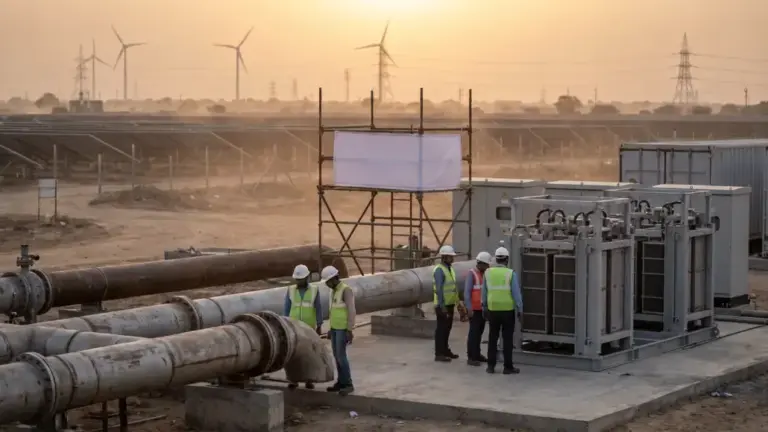
India is positioning itself as a global powerhouse in the sustainable energy landscape by aggressively scaling green hydrogen production across its vast industrial corridors. The transition toward a cleaner energy mix is no longer a distant goal but a present-day economic and environmental imperative, driven by the National Green Hydrogen Mission and the urgent need to decarbonize heavy industries. As the country aims for net-zero emissions by 2070, the focus has shifted toward integrating renewable power with advanced electrolysis technologies to produce carbon-neutral fuel at scale. This movement is characterized by massive investments in green hydrogen projects that target refineries, fertilizer plants, and steel mills, which have traditionally relied on carbon-intensive energy sources. By leveraging its abundant solar and wind resources, India is creating a robust ecosystem where green hydrogen production serves as the backbone of industrial decarbonization, ensuring long-term energy security and global competitiveness.
The Strategic Framework of the National Green Hydrogen Mission
The foundation for scaling green hydrogen production in India is anchored in the comprehensive policy framework provided by the central government. The National Green Hydrogen Mission, with an initial outlay of nearly twenty thousand crore rupees, serves as the primary catalyst for market development. This strategic initiative aims to build a production capacity of at least five million metric tonnes per annum by 2030, a target that necessitates a simultaneous expansion of renewable energy capacity by about one hundred and twenty-five gigawatts. The mission is designed to reduce dependence on fossil fuel imports, which currently drain the national exchequer, while positioning the country as a leading exporter of green hydrogen and its derivatives like green ammonia. By providing clear mandates and financial incentives, the government is encouraging private sector participation and fostering a competitive environment where technological innovation can thrive.
Decarbonizing Hard-to-Abate Industrial Sectors
One of the most significant impacts of green hydrogen production in India is its potential to transform hard-to-abate sectors that cannot be easily electrified. Industries such as petroleum refining, chemical manufacturing, and heavy steel production are the primary targets for green hydrogen integration. In refineries, green hydrogen is increasingly replacing grey hydrogen produced from natural gas in the desulfurization process, significantly lowering the carbon footprint of liquid fuels. Similarly, the fertilizer industry, a major consumer of hydrogen for ammonia synthesis, is transitioning toward green ammonia to create sustainable agricultural supply chains. The shift in these sectors is not just environmental but also strategic, as it hedges against the volatility of international natural gas prices and aligns with global ESG standards that international buyers now demand.
Advancements in Electrolyser Technology and Efficiency
At the heart of green hydrogen production in India lies the electrolyser the device that uses electricity to split water into hydrogen and oxygen. Scaling production requires not only more electrolysers but also more efficient ones. The industry is currently exploring various technologies, including Alkaline, Proton Exchange Membrane (PEM), and Solid Oxide Electrolysers, to determine which best suits India’s climatic conditions and grid stability. Efficiency gains in these systems are crucial for reducing the levelized cost of hydrogen, making it competitive with traditional fuels. The government’s Production Linked Incentive (PLI) scheme for electrolyser manufacturing is a game-changer here, encouraging domestic production and reducing the reliance on imported components, which often inflate project costs and delay timelines.
Integration with Renewable Energy Infrastructure
The scalability of green hydrogen production in India is intrinsically linked to the country’s progress in renewable energy. To produce truly green hydrogen, the electricity used must come from non-fossil sources. This requires a seamless integration between massive solar and wind farms and hydrogen production hubs. The concept of “hydrogen valleys” or industrial clusters is gaining traction, where production facilities are located near renewable energy sources and industrial consumers to minimize transmission and distribution losses. Managing the intermittency of solar and wind power remains a challenge, but advancements in energy storage and grid management are paving the way for consistent, round-the-clock green hydrogen production that can meet the rigorous demands of industrial processes.
Economic Viability and Cost Reduction Pathways
For green hydrogen production in India to reach its full potential, the cost must drop significantly over the next decade. Currently, the cost of green hydrogen is higher than its carbon-heavy counterparts, but experts anticipate a downward trajectory driven by economies of scale, cheaper renewable energy, and technological maturation. Achieving a cost target of one to two dollars per kilogram would make green hydrogen the preferred choice for Indian industry. This pathway involves reducing the capital expenditure of electrolysers and optimizing the operational expenses through better water management and power procurement strategies. As more large-scale projects come online, the learning curve will flatten, leading to standardized processes that further drive down costs across the entire value chain.
Policy Synergy and State-Level Initiatives
While the central government provides the overarching vision, the scaling of green hydrogen production in India is also being driven by progressive state-level policies. States like Gujarat, Maharashtra, Odisha, and Rajasthan are competing to become the “hydrogen capital” of India by offering additional land subsidies, water allocation priority, and exemptions from state-level taxes. These regional policies are crucial because the physical requirements for hydrogen production vast tracts of land for solar panels and access to industrial ports are controlled by state authorities. The synergy between central and state governments ensures that developers have a streamlined path to project execution, reducing bureaucratic friction and accelerating the deployment of green hydrogen projects across diverse geographies.
The Role of Public-Private Partnerships in R&D
Innovation is a continuous requirement for maintaining a competitive edge in green hydrogen production in India. Public-private partnerships (PPPs) are becoming the preferred vehicle for research and development, bringing together the scientific expertise of national laboratories and the commercial acumen of private enterprise. These collaborations are focusing on next-generation electrolysis methods, such as seawater electrolysis, which could revolutionize production in coastal areas where fresh water is scarce. By sharing the risks and rewards of innovation, the industry can accelerate the commercialization of cutting-edge technologies that improve efficiency and reduce the environmental footprint of hydrogen production, ensuring that India remains at the forefront of the global clean energy transition.
Strengthening the Domestic Manufacturing Ecosystem
To sustain the scaling of green hydrogen production in India, the country must build a self-reliant manufacturing ecosystem for every part of the value chain. This goes beyond electrolysers to include the manufacturing of high-pressure storage tanks, specialized valves, and balance-of-plant components. Localizing the production of these items reduces the lead time for project completion and lowers the overall capital investment required. The “Make in India” initiative is being leveraged to attract global component manufacturers to set up shops in India, creating a cluster effect that fosters innovation and reduces logistical costs. This domestic strength is vital for ensuring that the scaling of production is not hampered by global supply chain disruptions or geopolitical tensions.
Environmental Stewardship and Water Management Strategies
Sustainability in green hydrogen production in India must also account for the resources consumed during the process, particularly water. A significant volume of high-purity water is required for electrolysis, which can pose a challenge in water-stressed regions. Industry leaders are therefore adopting advanced water management strategies, including the use of desalinated seawater and the recycling of industrial wastewater. By integrating zero-liquid discharge systems, production facilities can minimize their impact on local water tables. These environmental safeguards are not just a regulatory requirement but a core part of the “green” promise, ensuring that the transition to hydrogen does not come at the cost of other vital natural resources.
Case Studies of Emerging Hydrogen Projects in India
To understand the practical application of scaling green hydrogen production in India, one must look at the pioneering projects currently under development. Major public sector undertakings and private giants are already setting the pace. For instance, integrated energy complexes in regions like Kutch are being designed to host gigawatt-scale electrolyser plants powered by massive hybrid renewable parks. These projects are not just conceptual they are moving through the engineering and procurement phases, providing real-world data on plant efficiency and operational costs in the Indian climate. Furthermore, pilot projects in the refinery sector are demonstrating how green hydrogen can be blended into existing workflows without disrupting production. These case studies serve as a beacon for other industrial players, proving that the technical and economic hurdles of green hydrogen production can be overcome with strategic planning and robust engineering, reinforcing the nation’s commitment to a cleaner energy mix.
Future Outlook: A Hydrogen-Led Industrial Revolution
The long-term trajectory for green hydrogen production in India points toward a total reshaping of the industrial landscape. As the infrastructure matures and costs continue to decline, green hydrogen will move beyond the traditional sectors of refining and fertilizers into heavy-duty transport, shipping, and even long-duration energy storage for the grid. The development of a domestic carbon market will further incentivize industries to switch to hydrogen-based fuels to avoid carbon taxes. This holistic transition will not only make the Indian industry more sustainable but also more resilient to global energy price shocks, fostering a new era of industrial growth that is both prosperous and planet-friendly. The lessons learned in the current scaling phase will provide the blueprint for an energy-independent India that leads the world in green innovation, ensuring that the scaling of green hydrogen production remains a cornerstone of India’s economic and environmental legacy.