
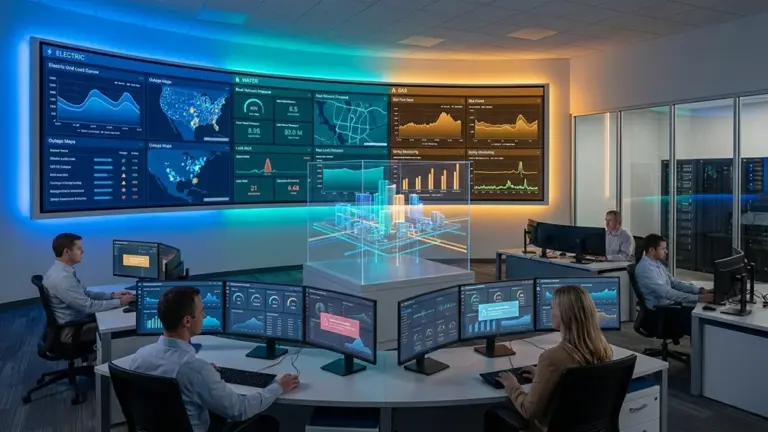
Advanced metering infrastructure (AMI) has moved well beyond its early role as a digital replacement for electromechanical meters. Today, it sits at the center of grid modernization strategies, enabling utilities to manage two-way energy flows, integrate distributed energy resources (DERs), improve outage response, meet regulatory requirements and unlock data-driven operational intelligence at scale.
For utilities and grid operators navigating electrification, decarbonization and rising customer expectations, AMI is a foundational platform that connects meters, communications networks, head-end systems, meter data management (MDM), analytics and enterprise applications into a unified operational ecosystem. As a result, the AMI vendor landscape has matured rapidly, with a growing ecosystem of AMI implementers offering differentiated capabilities across hardware, software, systems integration and life cycle services.
TRC brings more than five decades of multidisciplinary expertise to the evolving AMI landscape, positioning it as a trusted partner for utilities navigating grid modernization under accelerating climate, regulatory and operational pressures. Since its founding in 1969, it has grown from a technical research firm into a global organization supporting complex power and infrastructure initiatives across the full project life cycle.
Within AMI programs, TRC applies an integrated delivery model that aligns advisory, engineering, construction and program management capabilities. This approach supports utilities from early strategy and regulatory planning through deployment, systems integration and long-term operational optimization. Its work reflects a deep understanding of how AMI functions as a core enabler of reliability, resilience and data-driven grid operations.
Aclara delivers integrated smart infrastructure solutions that support electric, water and gas utilities as they modernize distribution networks under growing operational and regulatory complexity. With decades of experience serving utilities worldwide, it focuses on enabling more efficient, responsive and resilient systems through the strategic use of AMI, edge intelligence and secure communications.
Badger Meter applies more than a century of water technology expertise to modern AMI programs, with a strong focus on cellular-based AMI and network-as-a-service delivery models. Its approach supports utilities seeking to modernize water systems without the operational burden of building, owning or maintaining communications infrastructure.
Capgemini supports utilities as they transition from first-generation AMI to modern, digitally enabled AMI platforms designed for long-term grid transformation. As many early deployments reach end of life, it focuses on helping utilities refresh aging architectures while unlocking capabilities that earlier systems were not designed to support, including cloud-native applications, artificial intelligence (AI), edge computing and advanced connectivity.
AMI has become a cornerstone of modern power systems, shaping how utilities operate, engage customers and plan for an increasingly complex energy future. While technology remains critical, successful AMI programs depend just as much on implementation expertise, strategic alignment and long-term partnership models. For utilities evaluating AMI implementers, the challenge is not simply identifying capable vendors but selecting partners that understand regulatory environments, grid transformation goals and the operational realities of utilities.